Zoeken
  • Next-Level HR Growth via 3 HR Trends & Priorities

    Human Resources (HR) has evolved from administrative support to a strategic driver of organizational growth. In 2024, HR leaders face both challenges and opportunities as workplaces transform rapidly. This article explores 3 HR Trends & Priorities shaping HR strategies, helping organizations adapt, innovate, and thrive in a competitive talent landscape.

    Overview of HR’s Strategic Role
    HR is no longer confined to administrative tasks; it now drives workforce strategy and business outcomes. The modern HR function balances people management with technology adoption, culture building, and strategic planning. Organizations that leverage HR as a core pillar of decision-making are better positioned to meet the evolving demands of employees and the market.

    AI and Automation in HR
    Integrating AI and automation is a critical HR Trend & Priority. AI streamlines recruitment, enhances candidate matching, and automates repetitive administrative tasks. This enables HR teams to focus on strategic initiatives like workforce planning and employee engagement. Organizations leveraging AI gain efficiency and create a more personalized experience for employees.

    Continuous Learning and Skill Development
    Continuous learning is essential in a rapidly changing work environment. Upskilling and reskilling employees help organizations close competency gaps and stay competitive. HR teams are prioritizing training programs, mentorship, and knowledge-sharing initiatives to foster growth, agility, and innovation across the workforce.

    Talent Retention and Engagement
    Retaining top talent is a major HR Priority. Organizations focus on creating engaging workplaces, providing career development paths, and offering competitive compensation. Programs that recognize employee contributions, encourage feedback, and support well-being increase loyalty, reduce turnover, and strengthen organizational performance.

    For More Info: https://hrtechcube.com/3-key-hr-trends-priorities/

    Conclusion
    In 2024, the 3 HR Trends & Priorities — AI and automation, continuous learning, and talent retention — are pivotal for organizational success. By embracing these trends, HR leaders can enhance workforce engagement, drive performance, and maintain a competitive edge in an ever-evolving work landscape.
    0 0 Reacties 0 Aandelen
  • Improving Engagement Outcomes via Automated Feedback Systems

    Automating feedback collection is rapidly becoming a cornerstone of modern people strategy, enabling organizations to gather real-time insights that drive better decisions and stronger workplace experiences. Rather than relying on infrequent, manual surveys, automated systems seamlessly capture employee voice throughout the year — creating a continuous loop of understanding, action, and improvement.

    Table of Contents

    What Is Automating Feedback Collection?

    Why Organizations Are Embracing Automated Feedback

    Key Technologies Powering Feedback Automation

    Practical Benefits for Employees and HR Leaders

    How to Successfully Implement Feedback Automation

    1. What Is Automating Feedback Collection?

    Automating feedback collection refers to using technology to gather employee thoughts, experiences, ratings, and opinions with minimal manual effort. Instead of collecting feedback only through traditional annual surveys or meetings, automation enables pulse surveys, embedded prompts, and AI-assisted input across the employee journey. This approach ensures insights are timely, relevant, and aligned with changing workplace dynamics.

    2. Why Organizations Are Embracing Automated Feedback

    Organizations operate in faster, more fluid environments than ever before. Employees juggle hybrid schedules, evolving roles, and shifting expectations — and static feedback methods struggle to keep pace. By automating feedback collection, companies can monitor sentiment continuously, detect patterns as they emerge, and respond proactively rather than reactively. This agility helps preserve engagement, uncover hidden challenges, and strengthen trust between leadership and teams.

    3. Key Technologies Powering Feedback Automation

    A variety of technologies now support feedback automation:

    AI and machine learning analyze open-ended responses to identify themes and sentiment.

    Pulse survey platforms deliver quick questions at regular intervals to maintain dialogue without fatigue.

    Chatbots and conversational interfaces make sharing feedback feel natural and less transactional.

    Dashboard analytics turn raw responses into visual insights for leaders and managers.

    Together, these tools elevate feedback from a periodic task to an ongoing conversation, making data meaningful and actionable.

    4. Practical Benefits for Employees and HR Leaders

    Automating feedback collection offers clear advantages across the organization:

    Improved responsiveness: Leadership can see trends sooner and act faster on issues affecting morale or performance.

    Reduced manual workload: HR teams spend less time compiling data and more time interpreting insights.

    Broader participation: Accessible, timely touch points encourage more employees to share their perspectives.

    Enhanced engagement: When employees see feedback leading to real change, trust and motivation grow.

    By embedding feedback into the rhythm of work, organizations reinforce that every voice matters and every insight counts.

    5. How to Successfully Implement Feedback Automation

    To make the most of feedback automation, organizations should:

    Define clear goals for what they want to learn.

    Choose tools that integrate smoothly with existing HR systems.

    Communicate the purpose and benefits of feedback to employees.

    Train leaders to interpret and act on insights.

    Monitor participation and adjust frequency to avoid fatigue.

    Thoughtful implementation ensures feedback automation contributes meaningfully to cultural progress rather than becoming a checkbox initiative.

    For More Info: https://hrtechcube.com/ai-driven-feedback-solutions/

    Conclusion

    Automating feedback collection transforms how organizations listen, learn, and lead. By leveraging intelligent technology to capture employee voice continuously, companies can drive engagement, accelerate improvement, and sustain a culture of responsiveness. As workplaces evolve, feedback automation will play an increasingly vital role in shaping positive employee experience and strengthening organizational performance.
    0 0 Reacties 0 Aandelen
  • AI-Driven Smart Buildings & Smart Homes – The Future of Living!
    Experience the next level of comfort and efficiency with AI-powered smart buildings and smart homes. Enjoy automated lighting, climate control, smart security, energy optimization, and predictive maintenance. Make your property smarter with Vaspan Technologies, a leading AI development company in India.
    https://vaspantech.com/services/ai-powered-solutions
    #SmartBuildings #SmartHomes #AIDrivenLiving #VaspanTechnologies #AIinRealEstate #HomeAutomation #PropertyTech #FutureOfLiving
    0 0 Reacties 0 Aandelen
  • Modern HR Automation Improving Candidate Evaluation and Safety Protocols

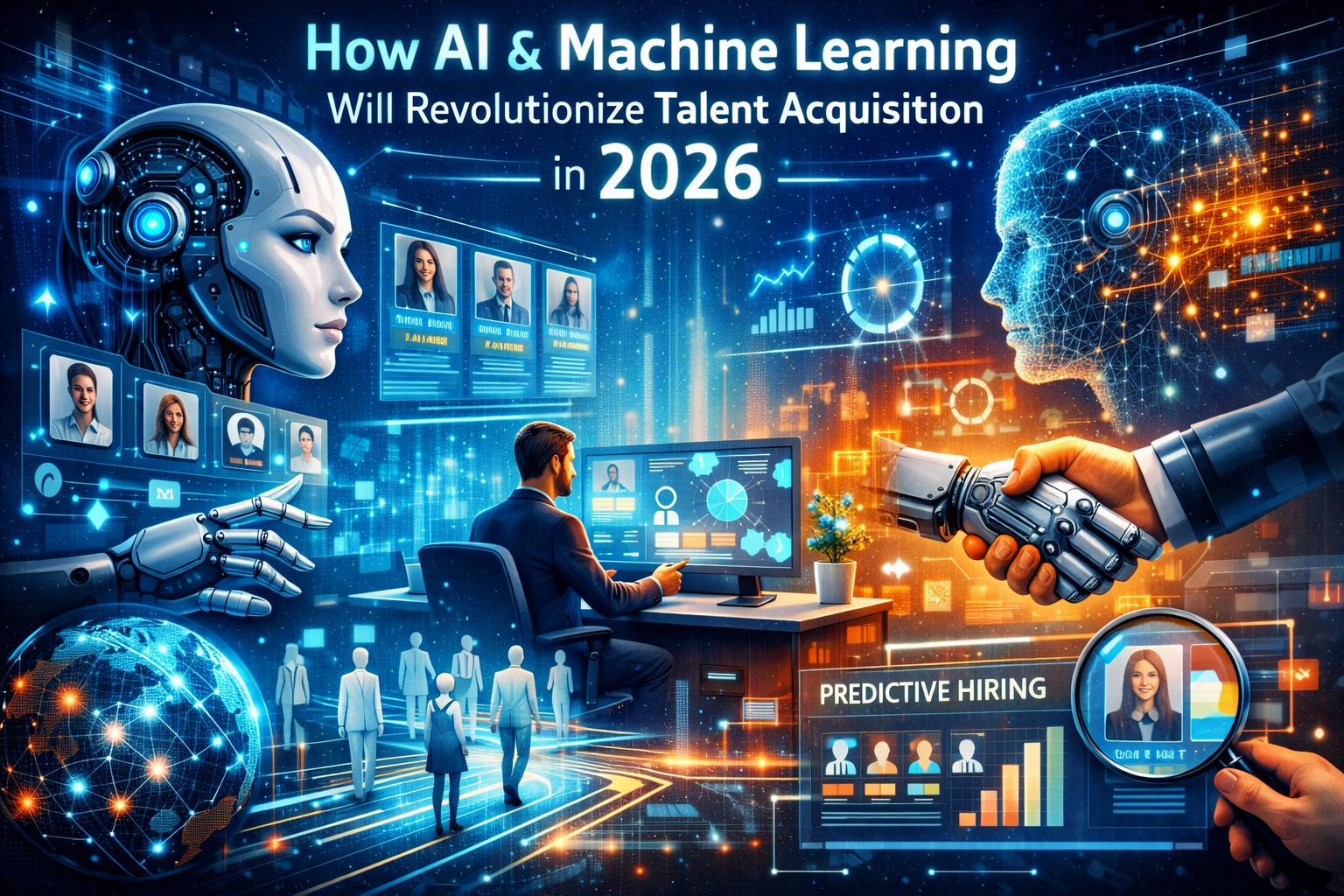
    Smart HR applications are rapidly transforming how organizations hire talent and protect their workforce. By merging intelligent automation with real-time workplace insights, companies can strengthen recruitment accuracy and elevate safety standards at the same time. This shift is creating a future where efficiency, prevention, and meaningful employee experiences work together seamlessly.

    The Rise of Smart HR in Modern Workplaces

    Organizations today face increasing pressure to hire efficiently while maintaining strong safety practices. Smart HR applications address both needs through AI-driven insights, automated workflows, and continuous safety monitoring. These solutions enhance decision-making and help leaders create safer, more adaptive work environments.

    How Smart HR Applications Strengthen Hiring Precision

    Smart HR tools streamline recruitment by analyzing candidate data, evaluating job matches, and improving interview processes. Automated evaluations reduce bias, enhance role alignment, and ensure that only the most suitable candidates progress. This not only saves time but also improves long-term retention and job performance.

    The New Era of Workplace Safety with Smart HR Applications

    Workplace safety with smart HR applications means embedding safety intelligence directly into daily operations. These systems track potential risks, analyze patterns, and alert teams before problems escalate. As a result, organizations can respond faster, prevent incidents, and promote a culture where safety awareness is always active.

    Integrating Smart HR for a Unified Workforce Strategy

    A combined approach to hiring and safety allows companies to build stronger workforce foundations. Centralized dashboards, automated compliance checks, and continuous employee insights create a well-connected HR ecosystem. This improves visibility, enhances accountability, and ensures reliable workforce protection.

    Key Benefits for Organizations

    Smart HR brings a range of advantages—from better recruitment outcomes to higher safety readiness. Companies can reduce operational costs, benefit from real-time analytics, and maintain consistent safety policies across locations. With data-backed decision-making, workforce planning becomes more predictable and resilient.

    For More Info: https://hrtechcube.com/revolutionizing-hiring-platform-workplace-safety-smart-hr/

    Conclusion

    Workplace safety with smart HR applications represents a major step forward for organizations aiming to modernize their operations. By fusing intelligent hiring with proactive safety systems, businesses create an environment where people thrive and risks decrease. As the shift toward digital HR accelerates, integrating smart tools will become essential for building a strong, secure, and future-ready workforce.
    0 0 Reacties 0 Aandelen
  • Creating High-Value HR Outcomes via Automation-Driven HR Support

    Automation-Driven HR Support is rapidly reshaping how organizations elevate employee performance. As workplaces grow more digital and fast paced, automation enables HR teams to streamline operations, improve decision making, and create seamless employee experiences that directly boost productivity.

    Understanding Automation-Driven HR Support
    Automation in HR simplifies repetitive tasks, reduces manual workloads, and creates space for strategic decision making. With intelligent systems handling scheduling, onboarding assistance, query responses, and workflow routing, HR teams can focus on initiatives that contribute to long-term employee growth. This shift not only accelerates internal processes but also creates a more responsive and efficient support environment.

    Enhancing Employee Performance Through Automation
    Performance improvement thrives on clarity, timely feedback, and access to the right tools. Automation enables real-time performance tracking, automated insights, and personalized skill development opportunities. These systems allow employees to stay aligned with goals while receiving guidance exactly when needed. Enhanced transparency and reduced delays lead to higher engagement, more confidence, and better results across teams.

    Building a Future-Ready HR Ecosystem
    For organizations aiming to strengthen their workforce, building an ecosystem that integrates automation into everyday HR operations is essential. Automated workflows support employees throughout their lifecycle—from onboarding to continuous development—ensuring consistent experiences and reducing friction. Smart HR systems also promote accuracy, compliance, and speed, which collectively drive stronger organizational performance.

    The Strategic Role of Automation in Workforce Success
    Beyond operational efficiency, automation empowers HR leaders to make strategic workforce decisions. Predictive insights, automated reporting, and streamlined communication channels help HR identify performance gaps early, design targeted interventions, and elevate organizational culture. As automation grows more advanced, its role evolves from support to strategic leadership.

    For More Info: https://hrtechcube.com/automation-support-future-of-employee-performance/

    Conclusion
    Automation-Driven HR Support is a powerful catalyst for improved employee performance. By eliminating operational bottlenecks, guiding employees with intelligent insights, and building scalable HR systems, organizations create stronger, more agile, and future-ready workforces.
    0 0 Reacties 0 Aandelen
  • Predictive Analytics in B2B: From Smarter Forecasts to Automation

    Predictive analytics empowers B2B companies to forecast accurately, personalize at scale, automate engagement, and convert real-time buyer intent into measurable revenue growth across sales, marketing, and ABM.

    Download Free Media Kit @ https://intentamplify.com/mediakit/?utm_source=k10&utm_medium=linkdin
    0 0 Reacties 0 Aandelen
  • Elevating Recruitment Strategy with Cutting-Edge HR Technology

    In the modern business environment, cutting-edge HR technology is transforming how organizations manage and engage their workforce. Traditional HR processes are being replaced by intelligent systems that streamline recruitment, performance management, employee engagement, and workforce planning. By leveraging advanced technologies, companies can make data-driven decisions, improve efficiency, and enhance the employee experience.

    Table of Contents
    The Role of Technology in Workforce Management

    AI and Predictive Analytics for HR

    Enhancing Employee Engagement Through Technology

    Automation and Efficiency in HR Operations

    The Future of Workforce Management

    The Role of Technology in Workforce Management
    Modern HR technology enables organizations to manage their workforce more effectively by providing real-time insights into employee performance, productivity, and engagement. Cloud-based HR platforms consolidate data, reducing administrative overhead and allowing HR professionals to focus on strategic initiatives.

    AI and Predictive Analytics for HR
    Artificial intelligence and predictive analytics are reshaping HR decision-making. Predictive models can forecast employee turnover, identify high-potential talent, and optimize workforce planning. This proactive approach helps organizations retain top talent and anticipate workforce challenges before they escalate.

    Enhancing Employee Engagement Through Technology
    Employee engagement tools powered by cutting-edge HR technology provide personalized learning, feedback, and recognition systems. These platforms create a continuous engagement cycle, fostering a culture of transparency, motivation, and growth within the organization.

    Automation and Efficiency in HR Operations
    Automation streamlines repetitive HR tasks such as payroll processing, attendance tracking, and benefits administration. By reducing manual workloads, HR teams can focus on strategic workforce initiatives and improve overall operational efficiency.

    The Future of Workforce Management
    The future of workforce management lies in integrating AI, machine learning, and advanced analytics to create intelligent, adaptable, and employee-centric systems. Organizations that embrace these technologies will gain a competitive edge by attracting, retaining, and nurturing talent effectively.

    For More Info: https://hrtechcube.com/revolutionizing-workforce-management/

    Conclusion
    Cutting-edge HR technology is revolutionizing workforce management by enabling smarter decision-making, enhancing employee engagement, and improving operational efficiency. Organizations that adopt these tools are better positioned to thrive in an increasingly dynamic and competitive business landscape.

    Related News/ Articles Link:

    https://hrtechcube.com/roi-employee-wellness-2025/

    https://hrtechcube.com/ai-driven-feedback-solutions/

    https://hrtechcube.com/rethinking-talent-strategies-workplace-2025/

    https://hrtechcube.com/skills-based-hiring-2025/
    Revolutionizing Workforce Management with Cutting-Edge HR Technology
    0 0 Reacties 0 Aandelen
  • Solar Farm Automation Market Size, Analytical Overview, Growth Factors, Demand, Trends and Forecast by 2031
    https://www.datalibraryresearch.com/market-analysis/solar-farm-automation-market-4940
    Solar Farm Automation Market Size, Share, Trends By 2030
    The Solar Farm Automation Market Size was recorded at USD 92.12 million in 2022 and is anticipated to demonstrate a CAGR of 22.9% forecasted by 2030.
    WWW.DATALIBRARYRESEARCH.COM
    0 0 Reacties 0 Aandelen
  • Cold Chain Logistics Market Size, Share & Forecast 2025–2033
    Cold Chain Logistics Market: Size, Trends, Opportunities, and Future Outlook
    Cold Chain Logistics Market Overview
    The Cold Chain Logistics Market is undergoing rapid growth as global supply chains evolve and the demand for temperature-sensitive goods increases. Valued at USD 302.6 billion in 2025, the market is expected to reach USD 733.6 billion by 2033, expanding at a robust CAGR of 12.0%.

    This growth is fueled by stringent food safety regulations, the rise of biopharmaceuticals, expanding e-commerce grocery platforms, and the globalization of trade. Cold chain logistics ensures that perishable products such as food, beverages, pharmaceuticals, and chemicals are transported and stored under controlled temperatures, preserving product quality and safety.

    REPORT LINK : https://m2squareconsultancy.com/reports/cold-chain-logistics-market

    Key Market Drivers
    Rising demand for frozen and packaged food in urban areas.
    Growth of the pharmaceutical and biotech industries, especially vaccines, biologics, and temperature-sensitive drugs.
    Expansion of e-commerce and online grocery delivery services requiring last-mile cold chain solutions.
    Technological advancements in refrigeration, packaging, and monitoring solutions.
    Global trade expansion and stricter international food safety regulations.
    Opportunities in the Cold Chain Logistics Market
    Healthcare and Biopharma: With increasing demand for vaccines, insulin, biologics, and personalized medicines, the healthcare cold chain segment is witnessing unprecedented growth.
    E-Commerce Integration: Online platforms are fueling demand for rapid, efficient cold chain logistics for food, meal kits, and fresh produce.
    Sustainability & Green Logistics: Eco-friendly refrigeration technologies and energy-efficient transport systems are creating new opportunities for players.
    Emerging Markets: Developing economies in Asia-Pacific, Latin America, and Africa present untapped potential due to rising disposable incomes and urbanization.
    Digital Solutions: Adoption of IoT sensors, AI-driven monitoring, and blockchain ensures real-time visibility and transparency in the cold chain.
    Market Segmentation
    By Component

    Storage: Warehouses, refrigerated containers, and distribution centers.
    Transportation: Refrigerated trucks, ships, and aircrafts.
    Monitoring Solutions: IoT sensors, GPS tracking, RFID, and blockchain-based systems.
    By Application

    Food & Beverages: Dairy, meat, seafood, fruits, vegetables, frozen meals.
    Pharmaceuticals & Healthcare: Vaccines, drugs, blood, biopharmaceuticals.
    Chemicals: Specialty and industrial chemicals requiring controlled temperatures.
    By Region

    North America: Strong presence of advanced infrastructure and pharma logistics.
    Europe: Stringent food safety regulations and high demand for frozen foods.
    Asia-Pacific: Fastest-growing market driven by urbanization and expanding retail.
    Latin America & Middle East: Emerging regions with growing trade and pharma demand.
    Key Market Players
    The Cold Chain Logistics Market is competitive and features a mix of global giants and regional players. Leading companies include:

    Americold Logistics, Inc.
    Lineage Logistics Holdings, LLC
    DHL Supply Chain
    H. Robinson Worldwide, Inc.
    United Parcel Service (UPS)
    Maersk Line
    Kuehne + Nagel International AG
    Nichirei Logistics Group, Inc.
    DB Schenker
    FedEx Corporation
    These companies focus on expanding their warehouse capacities, investing in IoT-driven monitoring systems, adopting sustainable refrigeration technologies, and expanding global footprints through mergers and acquisitions.

    Latest Trends in the Cold Chain Logistics Market
    Automation in warehouses to improve efficiency and reduce human error.
    Blockchain adoption for secure, transparent cold chain transactions.
    Green logistics through eco-friendly refrigerants and renewable energy storage facilities.
    Expansion in last-mile cold chain delivery for fresh foods and medicines.
    AI-driven predictive analytics to optimize routes and reduce spoilage.
    Challenges in the Cold Chain Logistics Market
    High operational costs due to energy-intensive refrigeration systems.
    Lack of infrastructure in developing economies.
    Stringent compliance standards across multiple international markets.
    Supply chain disruptions during geopolitical tensions or pandemics.
    FAQs on the Cold Chain Logistics Market
    What is the Cold Chain Logistics Market?

    Which industries rely most on cold chain logistics?

    Who are the major players in the global cold chain logistics market?

    What are the biggest opportunities in this market?

    What are the main challenges in the cold chain sector?

    Conclusion
    The Cold Chain Logistics Market is set for dynamic growth, fueled by technological innovation, rising demand for perishable goods, and globalization. Key players are investing in sustainable, digital, and efficient solutions to gain a competitive edge.

    Related More Trending Topics:
    https://m2squareconsultancy.com/reports/aluminium-foil-packaging-market

    https://m2squareconsultancy.com/reports/flexible-packaging-market

    https://m2squareconsultancy.com/reports/global-biosimilars-market

    https://m2squareconsultancy.com/reports/precision-medicine-market

    https://m2squareconsultancy.com/reports/single-use-endoscope-market

    https://m2squareconsultancy.com/reports/polyvinyl-chloride-market

    https://m2squareconsultancy.com/reports/hair-loss-treatment-market

    https://m2squareconsultancy.com/reports/healthcare-in-metaverse-market

    https://m2squareconsultancy.com/reports/global-ventilators-market

    https://m2squareconsultancy.com/reports/beer-processing-market

    https://m2squareconsultancy.com/reports/edible-insects-market

    https://m2squareconsultancy.com/reports/bedroom-furniture-market

    https://m2squareconsultancy.com/reports/fragrances-and-perfumes-market

    About m2squareconsultancy :

    We are a purpose-driven market research and consulting company passionate about turning data into direction. Founded in 2023, we bring together researchers, strategists, and data scientists who believe that intelligence isn’t just about numbers, it’s about insight that sparks progress.

    Contact Us:

    Email: sales@m2squareconsultancy.com
    Phone (IN): +91 80978 74280
    Phone (US): +1 929 447 0100

    Cold Chain Logistics Market Size Analysis, Growth Trends & Forecast to 2033
    Cold Chain Logistics Market OverviewThe global cold chain logistics market is experiencing rapid expansion, driven by increasing demand for temperatu...
    M2SQUARECONSULTANCY.COM
    0 0 Reacties 0 Aandelen
  • How Is AI Transforming the Global Forklift Market?
    Global Forklift Market Trends 2025–2033: Growth Drivers, Innovations & Future Outlook
    Global Forklift Market Overview
    Market Size & Forecast

    The Global Forklift Market is anticipated to grow significantly from 2025 to 2033, driven by the rising demand for efficient material handling solutions across diverse industries. By 2025, the market is projected to reach a value of around USD 85.9 Billion. Looking ahead to 2033, it is expected to expand further to about USD 137.0 Billion. This represents an annual growth rate of 6.2% over the ten years.

    If you’re a logistics manager, warehouse operator, or investor keeping a close eye on industrial equipment, understanding the Global Forklift Market is essential. Forklifts may appear as simple workhorses in warehouses, but in 2025 they stand at the intersection of automation, sustainability, and digital transformation.

    Request Sample PDF here:https://m2squareconsultancy.com/request-sample/global-forklift-market

    Having worked on supply chain automation projects for over a decade, I’ve personally seen forklifts evolve from diesel-powered machines to electric fleets and even AI-driven autonomous models. This shift is not just technological; it’s reshaping how global logistics and e-commerce operations function.

    In this blog, we’ll explore the current size of the global forklift market, the key drivers influencing growth, segmentation insights, competitive dynamics, challenges, and the road ahead through 2033.

    Importance in Supply Chains
    Forklifts are indispensable in:

    Warehousing & retail distribution centers
    E-commerce fulfillment hubs
    Construction & infrastructure projects
    Automotive & heavy manufacturing plants
    Key Growth Drivers
    E-commerce Expansion

    The boom in online retail is one of the most powerful growth engines. Global e-commerce logistics spending is projected to hit USD 1.5 trillion by 2033 (McKinsey). More warehouses mean more forklifts from pallet trucks to high-reach vehicles—to handle rising order volumes.

    Shift to Electric & Sustainable Forklifts
    Sustainability is reshaping industrial equipment. Electric forklifts now account for more than 65% of the market in Europe

    Zero emissions
    Lower total cost of ownership
    Quieter operation indoors
    For example, Toyota Material Handling’s lithium-ion electric models are reducing warehouse emissions significantly.

    Automation & IoT Integration
    Forklifts are becoming smarter with autonomous navigation, telematics, and AI-enabled safety systems. Autonomous Guided Vehicles (AGVs) are being deployed in large logistics centers, enhancing efficiency and reducing labor costs (Logistics Management).

    Market Segmentation Insights
    By Product Type

    Counterbalance Forklifts – most widely used in logistics hubs
    Reach Trucks – optimized for high-rack warehouses
    Pallet Trucks – essential for e-commerce fulfillment
    By Fuel Type

    Electric Forklifts – rapid adoption due to sustainability goals
    Diesel Forklifts – still dominant in outdoor, heavy-load applications
    LPG Forklifts – a transitional fuel with lower emissions
    By Region

    Asia-Pacific: China and India drive the largest market share with expanding manufacturing bases.
    North America: Strong adoption of warehouse automation in the U.S. and Canada.
    Europe: Strict emissions regulations are accelerating the switch to electric fleets.
    Emerging Markets: Southeast Asia and Africa present untapped opportunities as industrialization accelerates
    Competitive Landscape
    The forklift market is highly consolidated, with global leaders including:

    Toyota Industries Corporation
    KION Group
    Jungheinrich AG
    Mitsubishi Logisnext
    Hyster-Yale Materials Handling
    These companies are investing heavily in R&D, fleet electrification, and telematics integration. Strategic acquisitions and collaborations such as KION’s investment in digital fleet management solutions are shaping competitive advantages

    Challenges & Opportunities
    Supply Chain Disruptions

    Global raw material shortages and shipping delays have increased forklift lead times by up to 20% in 2024 (PwC).

    Safety & Workforce Training

    Forklifts remain a top cause of workplace injuries. OSHA reports nearly 85 fatal accidents and 34,000 serious injuries annually. This has led to a growing demand for operator training programs and AI-based safety features.

    Emerging Market Potential

    Africa and Southeast Asia offer growth opportunities due to rising construction projects and industrialization. Local distributors are expanding networks to meet demand.

    Future Outlook
    Looking toward 2033, the forklift industry will be shaped by three transformative forces:

    Autonomous Forklifts – AI-powered vehicles capable of self-navigation.
    Connected Fleet Management – IoT integration for real-time monitoring.
    Sustainable Warehousing – Electric and hydrogen-powered forklifts replacing fossil-fuel machines.
    Frequently Asked Questions
    What is the Global Forklift Market?
    What are the types of forklifts in the market?
    What factors are driving the growth of the Global Forklift Market?
    Who are the leading players in the Global Forklift Market?
    Which regions dominate the Global Forklift Market?
    What challenges does the Global Forklift Market face?
    What is the future outlook of the Global Forklift Market?
    How can businesses benefit from investing in forklifts?
    What trends are shaping the Global Forklift Market?
    How is technology impacting the Global Forklift Market?
    Conclusion

    Forklifts are no longer just industrial tools; they’re becoming strategic assets in modern supply chains. From sustainability-driven electrification to AI-driven automation, the global forklift market is on a path of significant transformation.

    Explore New Related Reports :

    Electric supercharger market

    Global Biochar Market

    Aircraft Paint Market

    Satellite Data Services Market

    Artificial Intelligence Market

    eSIM Market

    Contact Us

    Email: sales@m2squareconsultancy.com
    Phone (IN): +91 80978 74280

    Phone (US): +1 929 447 0100

    Request Sample
    M2SQUARECONSULTANCY.COM
    0 0 Reacties 0 Aandelen

Geen resultaten te tonen

Geen resultaten te tonen

Geen resultaten te tonen

Geen resultaten te tonen

Geen resultaten te tonen