Zoeken
  • How Self-Learning Shapes Tomorrow’s Innovators

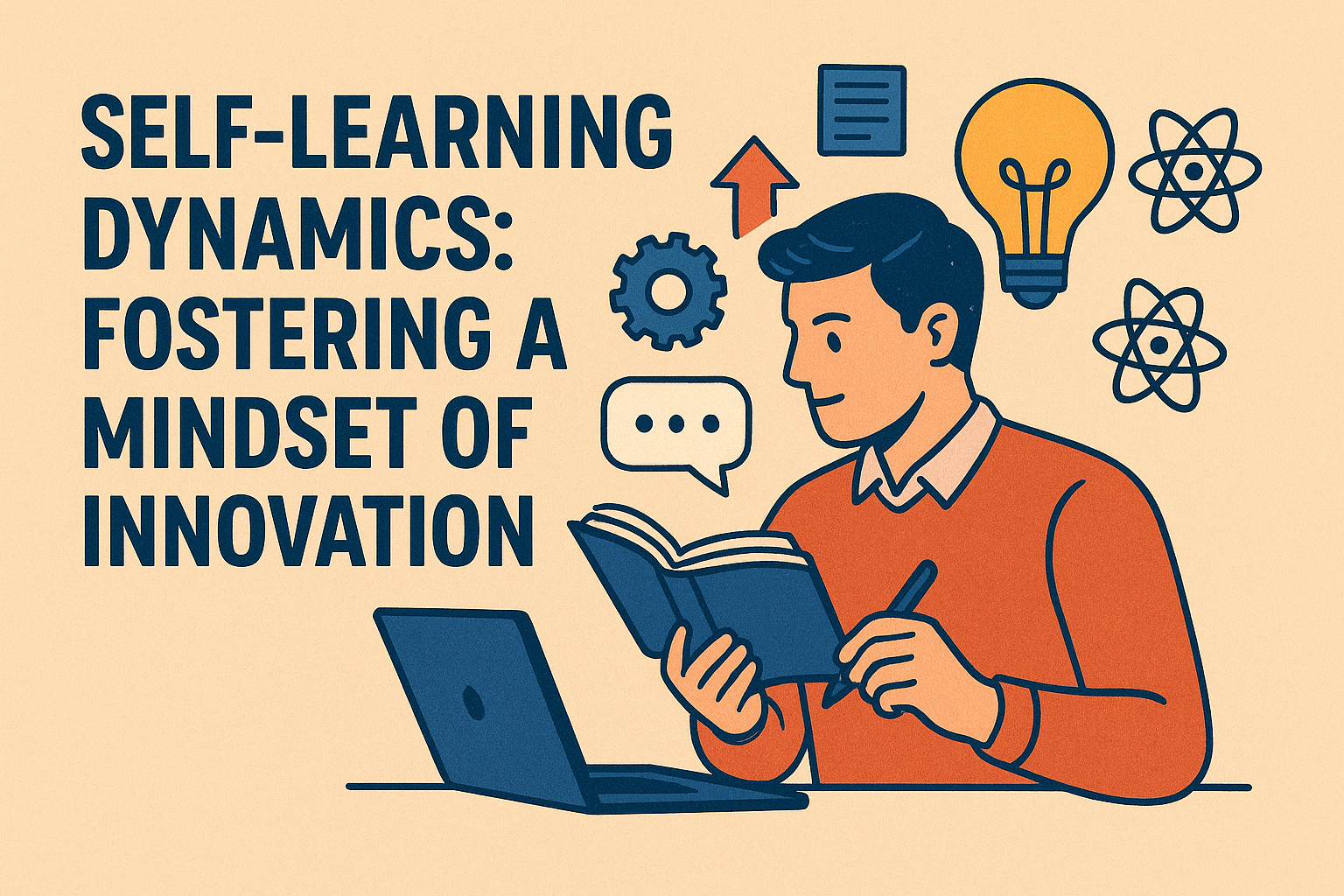
    A Self-Learning Mindset is becoming one of the most influential drivers of organizational progress as companies push toward more adaptive and innovation-ready cultures. By empowering employees to take ownership of their learning journeys, organizations unlock deeper creativity, stronger problem-solving, and long-term resilience.

    Understanding the Self-Learning Mindset

    A Self-Learning Mindset is the ability and motivation to learn independently, explore new ideas, and apply knowledge without relying on structured instruction. It encourages curiosity and empowers individuals to grow at their own pace while contributing fresh thinking to the organization.

    Why Self-Learning Dynamics Matter

    Self-learning allows employees to stay ahead of evolving business needs and technological changes. It fosters adaptability and ensures that workers remain confident and capable in rapidly shifting environments. When learning becomes self-driven, innovation follows naturally.

    Building a Culture that Supports Independent Learning

    Organizations must build supportive ecosystems where learning resources are accessible and experimentation is encouraged. Leaders play a key role in recognizing effort, rewarding growth, and creating safe spaces for new ideas to emerge.

    How Self-Learning Fuels Innovation

    Innovation thrives when individuals feel empowered to explore and challenge existing norms. A Self-Learning Mindset boosts creativity by enabling employees to test concepts refine skills and develop insights that may not emerge through rigid training programs alone.

    Key Practices that Strengthen Learning Autonomy

    Providing flexible learning tools
    Encouraging goal-oriented development
    Supporting peer-to-peer knowledge exchange
    Allowing time for exploration and experimentation
    Recognizing employee-driven skill advancement

    For More Info: https://hrtechcube.com/self-learning-dynamics-fostering-a-mindset-of-innovation/

    Conclusion

    A Self-Learning Mindset is more than a workplace trend; it is a long-term investment in innovation and organizational resilience. When employees are encouraged to learn independently, they generate powerful ideas and solutions that strengthen the company’s competitive edge. By building environments that promote curiosity and continuous growth, organizations create a future-ready culture capable of thriving through change.
    0 0 Reacties 0 Aandelen
  • Next-Level HR Growth via 3 HR Trends & Priorities

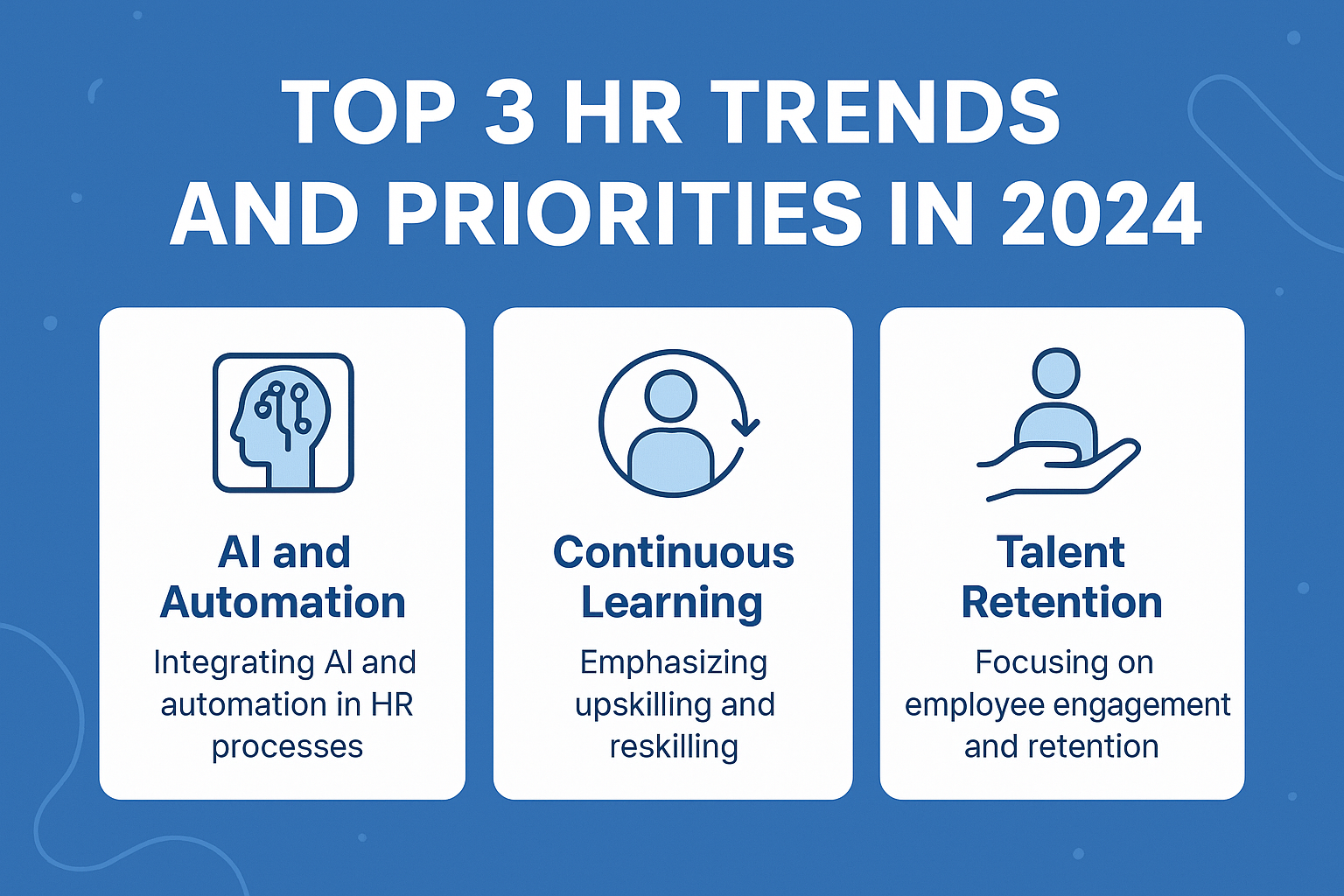
    Human Resources (HR) has evolved from administrative support to a strategic driver of organizational growth. In 2024, HR leaders face both challenges and opportunities as workplaces transform rapidly. This article explores 3 HR Trends & Priorities shaping HR strategies, helping organizations adapt, innovate, and thrive in a competitive talent landscape.

    Overview of HR’s Strategic Role
    HR is no longer confined to administrative tasks; it now drives workforce strategy and business outcomes. The modern HR function balances people management with technology adoption, culture building, and strategic planning. Organizations that leverage HR as a core pillar of decision-making are better positioned to meet the evolving demands of employees and the market.

    AI and Automation in HR
    Integrating AI and automation is a critical HR Trend & Priority. AI streamlines recruitment, enhances candidate matching, and automates repetitive administrative tasks. This enables HR teams to focus on strategic initiatives like workforce planning and employee engagement. Organizations leveraging AI gain efficiency and create a more personalized experience for employees.

    Continuous Learning and Skill Development
    Continuous learning is essential in a rapidly changing work environment. Upskilling and reskilling employees help organizations close competency gaps and stay competitive. HR teams are prioritizing training programs, mentorship, and knowledge-sharing initiatives to foster growth, agility, and innovation across the workforce.

    Talent Retention and Engagement
    Retaining top talent is a major HR Priority. Organizations focus on creating engaging workplaces, providing career development paths, and offering competitive compensation. Programs that recognize employee contributions, encourage feedback, and support well-being increase loyalty, reduce turnover, and strengthen organizational performance.

    For More Info: https://hrtechcube.com/3-key-hr-trends-priorities/

    Conclusion
    In 2024, the 3 HR Trends & Priorities — AI and automation, continuous learning, and talent retention — are pivotal for organizational success. By embracing these trends, HR leaders can enhance workforce engagement, drive performance, and maintain a competitive edge in an ever-evolving work landscape.
    0 0 Reacties 0 Aandelen
  • Improving Engagement Outcomes via Automated Feedback Systems

    Automating feedback collection is rapidly becoming a cornerstone of modern people strategy, enabling organizations to gather real-time insights that drive better decisions and stronger workplace experiences. Rather than relying on infrequent, manual surveys, automated systems seamlessly capture employee voice throughout the year — creating a continuous loop of understanding, action, and improvement.

    Table of Contents

    What Is Automating Feedback Collection?

    Why Organizations Are Embracing Automated Feedback

    Key Technologies Powering Feedback Automation

    Practical Benefits for Employees and HR Leaders

    How to Successfully Implement Feedback Automation

    1. What Is Automating Feedback Collection?

    Automating feedback collection refers to using technology to gather employee thoughts, experiences, ratings, and opinions with minimal manual effort. Instead of collecting feedback only through traditional annual surveys or meetings, automation enables pulse surveys, embedded prompts, and AI-assisted input across the employee journey. This approach ensures insights are timely, relevant, and aligned with changing workplace dynamics.

    2. Why Organizations Are Embracing Automated Feedback

    Organizations operate in faster, more fluid environments than ever before. Employees juggle hybrid schedules, evolving roles, and shifting expectations — and static feedback methods struggle to keep pace. By automating feedback collection, companies can monitor sentiment continuously, detect patterns as they emerge, and respond proactively rather than reactively. This agility helps preserve engagement, uncover hidden challenges, and strengthen trust between leadership and teams.

    3. Key Technologies Powering Feedback Automation

    A variety of technologies now support feedback automation:

    AI and machine learning analyze open-ended responses to identify themes and sentiment.

    Pulse survey platforms deliver quick questions at regular intervals to maintain dialogue without fatigue.

    Chatbots and conversational interfaces make sharing feedback feel natural and less transactional.

    Dashboard analytics turn raw responses into visual insights for leaders and managers.

    Together, these tools elevate feedback from a periodic task to an ongoing conversation, making data meaningful and actionable.

    4. Practical Benefits for Employees and HR Leaders

    Automating feedback collection offers clear advantages across the organization:

    Improved responsiveness: Leadership can see trends sooner and act faster on issues affecting morale or performance.

    Reduced manual workload: HR teams spend less time compiling data and more time interpreting insights.

    Broader participation: Accessible, timely touch points encourage more employees to share their perspectives.

    Enhanced engagement: When employees see feedback leading to real change, trust and motivation grow.

    By embedding feedback into the rhythm of work, organizations reinforce that every voice matters and every insight counts.

    5. How to Successfully Implement Feedback Automation

    To make the most of feedback automation, organizations should:

    Define clear goals for what they want to learn.

    Choose tools that integrate smoothly with existing HR systems.

    Communicate the purpose and benefits of feedback to employees.

    Train leaders to interpret and act on insights.

    Monitor participation and adjust frequency to avoid fatigue.

    Thoughtful implementation ensures feedback automation contributes meaningfully to cultural progress rather than becoming a checkbox initiative.

    For More Info: https://hrtechcube.com/ai-driven-feedback-solutions/

    Conclusion

    Automating feedback collection transforms how organizations listen, learn, and lead. By leveraging intelligent technology to capture employee voice continuously, companies can drive engagement, accelerate improvement, and sustain a culture of responsiveness. As workplaces evolve, feedback automation will play an increasingly vital role in shaping positive employee experience and strengthening organizational performance.
    0 0 Reacties 0 Aandelen
  • Strengthening Workplace Unity and Inspiring Shared Team Purpose

    Strengthening workplace unity is more than a seasonal initiative—it is a strategic approach that helps organizations elevate morale, reinforce collaboration, and inspire collective purpose. As New Year’s Eve approaches, companies have a unique opportunity to realign teams, uplift motivation, and set the tone for a more unified and empowered workforce in the year ahead.

    Why Workplace Unity Matters
    A unified workplace reduces friction, strengthens collaboration, and drives higher performance. When employees feel aligned with each other and the organization, they contribute more openly, share ideas confidently, and support collective goals.

    Creating Shared Purpose for the New Year
    Year-end moments naturally inspire reflection and renewal. Organizations can use this timing to reinforce mission and values, helping employees understand how their contributions align with broader objectives. Shared purpose fosters long-term unity and reinforces belonging.

    Motivating Teams Through Meaningful Engagement
    Motivation grows when employees feel seen, appreciated, and empowered. Activities that celebrate achievements, acknowledge challenges, and encourage participation build emotional connection within teams. Engagement strengthens not only morale but also organizational loyalty.

    Building a Culture of Trust and Connection
    Trust is foundational to unity. Leaders who communicate transparently, encourage feedback, and demonstrate empathy create environments where employees feel safe to collaborate. This culture of openness supports lasting workplace harmony.

    Ways Leaders Can Strengthen Unity This Season
    Leaders play a crucial role in shaping team cohesion. Encouraging cross-team conversations, promoting inclusive decision-making, and recognizing achievements help build a supportive and positive workforce atmosphere as the new year begins.

    For More Info: https://hrtechcube.com/strengthening-workplace-unity-and-motivation-this-new-years-eve/

    Conclusion
    Strengthening workplace unity during New Year’s Eve is an investment in long-term organizational health. By nurturing trust, fostering shared purpose, and motivating teams meaningfully, companies can enter the new year with stronger relationships, higher energy, and a more resilient workforce ready to achieve shared success.

    0 0 Reacties 0 Aandelen
  • Global Diversity Using HRTech to Reduce Talent Gaps

    Global Diversity Using HRTech is becoming a top priority as organizations operate across borders and seek talent from multiple cultures and backgrounds. When diversity is supported by the right HR technology, it evolves from a compliance requirement into a core business strategy that drives innovation, market reach, and long-term organizational value.

    Why Global Diversity Matters

    A globally diverse workforce brings fresh perspectives, new ideas, and cultural intelligence that help organizations compete in fast-changing markets. Teams composed of different backgrounds often perform better, solve problems faster, and understand customer segments more deeply. Diversity also strengthens employer reputation and supports more resilient decision-making across business units.

    How HRTech Enables Global Diversity

    Modern HRTech platforms support diversity by simplifying global hiring, enhancing inclusion, and providing transparency into workforce composition. Tools such as digital recruiting systems help remove bias from the screening process while global talent platforms widen access to candidates in new regions. Workforce analytics systems offer visibility into team structures, internal mobility, representation levels, and performance patterns. Engagement tools such as surveys and feedback platforms help organizations monitor belonging and inclusion across different locations.

    Turning Diversity into Measurable Business Value

    To justify investment in global diversity, organizations must connect diversity efforts to tangible business outcomes. HRTech supports this by tracking metrics such as retention of underrepresented talent, internal movement across geographies, leadership-pipeline diversity, employee sentiment, and team performance patterns. When analyzed together, this data helps organizations show how diverse teams contribute to innovation, agility, and global expansion.

    Challenges in HRTech-Driven Diversity

    Despite its advantages, HRTech can introduce challenges if used without careful design. Automated tools may still reflect historical hiring patterns, leading to unintentional bias. Organizations operating across multiple regions must also navigate different regulations and cultural expectations. Diversity programs may fail if they focus only on technology and overlook the need for human-centric leadership, communication, and inclusive workplace practices.

    Steps to Implement Global Diversity Using HRTech

    Begin by understanding current workforce demographics and identifying gaps across regions.

    Connect diversity objectives to specific business outcomes such as market access, talent growth, and innovation.

    Select HRTech tools that support fair hiring, global workforce visibility, and continuous feedback.

    Train managers and teams to use these tools responsibly and empathetically.

    Review results regularly and refine strategies based on data insights and employee feedback.

    Future Outlook for Global Diversity and HRTech

    Organizations are increasingly incorporating diversity into long-term strategies such as ESG, employer branding, and global mobility planning. HRTech will play a growing role in enabling real-time measurement, personalized development programs, and equitable opportunities across borders. Companies that invest early will be better equipped to compete globally and respond to evolving workforce expectations.

    For More Info: https://hrtechcube.com/building-the-business-case-for-global-diversity-using-hrtech/

    Conclusion

    Global Diversity Using HRTech represents a transformative approach to workforce strategy. When supported by the right tools and leadership mindset, diversity becomes a driver of innovation, stronger collaboration, and sustainable growth. Organizations that blend technology with inclusive culture will unlock greater value and create a truly global workforce advantage.
    Building the Business Case for Global Diversity Using HRTech
    0 0 Reacties 0 Aandelen
  • Modern HR Automation Improving Candidate Evaluation and Safety Protocols

    Smart HR applications are rapidly transforming how organizations hire talent and protect their workforce. By merging intelligent automation with real-time workplace insights, companies can strengthen recruitment accuracy and elevate safety standards at the same time. This shift is creating a future where efficiency, prevention, and meaningful employee experiences work together seamlessly.

    The Rise of Smart HR in Modern Workplaces

    Organizations today face increasing pressure to hire efficiently while maintaining strong safety practices. Smart HR applications address both needs through AI-driven insights, automated workflows, and continuous safety monitoring. These solutions enhance decision-making and help leaders create safer, more adaptive work environments.

    How Smart HR Applications Strengthen Hiring Precision

    Smart HR tools streamline recruitment by analyzing candidate data, evaluating job matches, and improving interview processes. Automated evaluations reduce bias, enhance role alignment, and ensure that only the most suitable candidates progress. This not only saves time but also improves long-term retention and job performance.

    The New Era of Workplace Safety with Smart HR Applications

    Workplace safety with smart HR applications means embedding safety intelligence directly into daily operations. These systems track potential risks, analyze patterns, and alert teams before problems escalate. As a result, organizations can respond faster, prevent incidents, and promote a culture where safety awareness is always active.

    Integrating Smart HR for a Unified Workforce Strategy

    A combined approach to hiring and safety allows companies to build stronger workforce foundations. Centralized dashboards, automated compliance checks, and continuous employee insights create a well-connected HR ecosystem. This improves visibility, enhances accountability, and ensures reliable workforce protection.

    Key Benefits for Organizations

    Smart HR brings a range of advantages—from better recruitment outcomes to higher safety readiness. Companies can reduce operational costs, benefit from real-time analytics, and maintain consistent safety policies across locations. With data-backed decision-making, workforce planning becomes more predictable and resilient.

    For More Info: https://hrtechcube.com/revolutionizing-hiring-platform-workplace-safety-smart-hr/

    Conclusion

    Workplace safety with smart HR applications represents a major step forward for organizations aiming to modernize their operations. By fusing intelligent hiring with proactive safety systems, businesses create an environment where people thrive and risks decrease. As the shift toward digital HR accelerates, integrating smart tools will become essential for building a strong, secure, and future-ready workforce.
    0 0 Reacties 0 Aandelen
  • Pride Month Isn’t Optional Leadership for Modern Talent Needs

    Pride Month has shifted from a symbolic celebration to a defining leadership responsibility. Modern organizations cannot afford silence or neutrality in moments that demand clarity. Today’s employees expect leaders to demonstrate inclusion not as a seasonal gesture but as a consistent commitment shaping workplace culture.

    Why Pride Month Requires Active Leadership

    Leading during Pride Month isn’t about branding. It’s about setting the tone for respect, belonging, and psychological safety. When leaders actively acknowledge the month, they signal that every employee matters, and that diversity is non-negotiable for the organization’s identity.

    The New Expectations Around Visibility

    Employees now expect clarity from leadership. Silence is interpreted as avoidance, and avoidance creates uncertainty. When leaders participate visibly and authentically during Pride Month, they strengthen cultural trust and cultivate open communication across the company.

    Inclusion as a Strategic Leadership Pillar

    Inclusion shapes team performance, decision-making quality, and organizational credibility. Treating Pride Month as optional undermines these goals. Leaders who embrace inclusion build healthier teams, stronger collaboration, and a work environment aligned with modern expectations.

    The Cultural Risks of Avoidance

    Choosing not to engage creates cultural disconnect. Employees may perceive silence during Pride Month as indifference, even when leaders intend neutrality. This gap reduces morale and affects how teams evaluate leadership integrity and alignment with stated values.

    Turning Values Into Everyday Practice

    Pride Month should reinforce what leaders commit to all year. That includes equitable policies, supportive communication, diverse representation, and genuine allyship. When inclusion becomes habitual rather than symbolic, teams feel seen, supported, and safe to contribute.

    For More Info: https://hrtechcube.com/pride-leadership-risk-or-opportunity/

    Conclusion

    Pride Month Isn’t Optional Leadership. It’s a moment that reflects whether an organization is willing to match its values with its actions. Leaders who engage authentically build trust, strengthen culture, and set foundations for long-term resilience. Inclusion isn’t seasonal — it’s leadership in its most responsible form.
    0 0 Reacties 0 Aandelen
  • Workload Balance Solutions for Scalable Team Growth

    In today’s fast-evolving work landscape, organisations increasingly recognise the imperative to Optimize Workload Balance to preserve employee energy, sustain performance, and retain talent. Excessive oversight and micromanagement — once considered essential for control — are now seen as signs of outdated management design. Forward-looking firms are shifting toward trust, autonomy, and data-driven workload planning to support well-being, productivity, and sustainable growth.

    Understanding the Need to Optimize Workload Balance

    Workload balance is more than just distributing tasks evenly — it means aligning work with capacity, skills, and sustainable pace. When workload isn’t balanced, employees may suffer burnout, drop in engagement, or even leave the organization. Balancing workload becomes critical not just for day-to-day operations, but as a core pillar of workforce resilience and long-term organizational health.

    Why Micromanagement Hinders Balanced Workload

    Micromanagement — excessive control over how tasks are done — often reflects a breakdown in proper task delegation and workload planning. Rather than ensuring productivity, it causes bottlenecks: decisions pile up with managers and employees lose autonomy. In hybrid or remote-enabled workplaces, micromanagement tends to punish remote contributors over physical-presence bias, creating unequal workload burdens and hindering trust.

    How Modern Tools & Approaches Support Balanced Workload

    Today’s organisations can employ intelligent workload-management methods that go beyond simple task allocation. By tracking team capacity and task load in real time, managers can anticipate overload, redistribute tasks, and prevent burnout before it strikes. This enables workload optimization as a proactive, data-driven process — not a reactive rush when problems become visible. Allocation becomes based on employee strengths and output rather than mere availability or presence time, fostering fairness and efficiency.

    Building a Culture of Trust and Autonomy

    True workload balance requires changing mindsets along with tools. Instead of micromanaging the “how,” leadership should define the “what” — the outcomes — and allow teams the autonomy to decide the “how.” Establishing clarity with responsibility charts or areas-of-responsibility (AoR) frameworks removes ambiguity and reduces the instinct to micromanage. Encouraging upward and peer-to-peer feedback, designing systems that tolerate mistakes (as data for learning), and shifting managers’ roles toward coaching rather than policing, all help build a sustainable culture of trust.

    Potential Risks and What to Watch Out For

    While shifting toward autonomy and balance is rewarding, there are pitfalls — including risk of uneven task distribution if workload isn’t monitored carefully, or false sense of balance when visibility is poor. Too much reliance on autonomy without structure can lead to confusion about responsibility. Also, adopting workload-management tools must respect employee privacy and be transparent, else they may end up eroding trust.

    Best Practices to Achieve Workload Balance

    To successfully optimize workload balance, organisations should:

    Define clear goals and output expectations rather than monitoring inputs or hours

    Map team capabilities and assign tasks aligned to strengths — not just availability

    Monitor capacity and task load periodically to detect overload early

    Promote transparent responsibility frameworks so everyone knows who owns what

    Provide autonomy, encourage feedback loops, and treat mistakes as learning opportunities

    Combine balance efforts with supportive management — shifting from control to coaching

    For More Info: https://hrtechcube.com/optimize-workload-balance-cut-micromanagement/

    Conclusion

    Optimizing workload balance is not a soft HR initiative — it’s a strategic necessity for organisations aiming to thrive in a competitive, fast-moving workplace. By replacing micromanagement with trust, aligning tasks with capacity, and embracing autonomy backed by smart workload planning, businesses can foster healthy work environments, retain talent, and boost output. Ultimately, balance isn’t just about fairness — it’s about unlocking sustainable growth and long-term organizational resilience.

    0 0 Reacties 0 Aandelen
  • Gen Z and Conscious Unbossing: Reimagining Workplace Priorities

    The arrival of Gen Z in the workforce is reshaping how we think about leadership. Rather than climbing traditional corporate ladders, many favor autonomy, purpose, and flexibility—a shift captured by the rising phenomenon of Gen Z and Conscious Unbossing.

    What is Gen Z and Conscious Unbossing
    Conscious Unbossing describes a mindset where workers—especially from Gen Z—intentionally steer away from conventional managerial roles. Instead of viewing leadership as a climb up an authority ladder, they see themselves as contributors seeking autonomy, purpose, and meaningful work.

    Why Gen Z Prefers Autonomy Over Hierarchy
    Members of Gen Z prioritize work-life balance, personal growth and mental well-being. Many view middle-management roles as high stress with low reward, making rigid hierarchies and heavy managerial responsibility unappealing.
    They prefer to build expertise rather than manage people, finding value in having flexibility, autonomy, and the power to directly contribute.

    How Conscious Unbossing Changes Leadership Roles
    In a Conscious Unbossing-driven workplace traditional boss-subordinate roles give way to mentorship, coaching, and distributed decision-making. Leaders become facilitators who guide rather than control, enabling teams to self-manage and collaborate.
    Authority becomes less about title and more about influence, expertise, and shared purpose. Organizations embracing this shift redefine leadership to match Gen Z’s values.

    Benefits of Conscious Unbossing for Organizations
    This approach can boost engagement and innovation by giving employees ownership and trust—leading to higher motivation and commitment. It helps build a flexible, agile culture that aligns with changing workforce expectations and attracts young talent seeking purpose and autonomy.

    Challenges and How Companies Can Adapt
    Shifting from hierarchy to distributed leadership may meet resistance—especially in traditional organizations accustomed to rigid authority.
    To adapt, companies can offer dual career paths (expert vs management), invest in mentorship and coaching, and create team-based decision frameworks that respect autonomy while maintaining clarity and accountability. India Today+1

    For More Info: https://hrtechcube.com/gen-z-conscious-unbossing/

    Conclusion
    Gen Z and Conscious Unbossing signal a fundamental shift in workplace values and leadership expectations. By embracing autonomy, purpose, and shared decision-making, organizations can align with new generational norms and build more flexible, empowered teams.
    0 0 Reacties 0 Aandelen
  • Driving Workplace Culture with Strategic HR Innovation

    Workplace culture is not just an afterthought — when guided by strategic HR it becomes the backbone of organizational success. Aligning HR initiatives with company values and business goals transforms culture into a deliberate advantage rather than a reactive asset.

    Table of Contents
    1 Leadership Drives Cultural Change
    2 Data-Driven Insights Fuel Cultural Shifts
    3 Employee Experience as Core Foundation
    4 DEI as a Cultural Catalyst
    5 Overcoming Resistance to Change

    Leadership Drives Cultural Change
    True cultural transformation begins at the top. When leaders act with transparency, empathy, and adaptability they set a tone of trust and psychological safety. Strategic leadership development — focusing on emotional intelligence and adaptive thinking — positions leadership not just as managers but as culture architects.

    Data-Driven Insights Fuel Cultural Shifts
    Relying solely on traditional engagement surveys offers limited visibility into how people actually feel and behave at work. Strategic HR uses real-time analytics — combining engagement, productivity, and behavior metrics — to surface patterns and guide meaningful cultural change.

    Employee Experience as Core Foundation
    Engagement alone cannot define a healthy culture. HR must design personalized experiences across onboarding, development, feedback loops and everyday interactions. This is especially crucial in hybrid and evolving work models where expectations, generational mixes, and work styles vary.

    DEI as a Cultural Catalyst
    Diversity equity and inclusion (DEI) should not be a side initiative but a core cultural driver. Through strategic hiring, leadership accountability and transparent DEI metrics, organizations can embed inclusion into their DNA — ensuring culture reflects varied perspectives and fosters belonging.

    Overcoming Resistance to Change
    Cultural change often meets resistance rooted in uncertainty or fear. Overcoming this requires more than communication: consistent empathy, genuine employee involvement, and long-term commitment from leadership. Strategic change management resources help turn culture shifts into lasting transformation.

    For More Info: https://hrtechcube.com/hr-strategies-workplace-culture/

    Conclusion
    Workplace culture with strategic HR becomes a dynamic engine for growth when leadership, data, experience, inclusion and change management align. Organizations that treat culture as a strategic asset — not a soft initiative — build resilient, adaptive environments that support business goals and employee well-being.
    0 0 Reacties 0 Aandelen

Geen resultaten te tonen

Geen resultaten te tonen

Geen resultaten te tonen

Geen resultaten te tonen

Geen resultaten te tonen