Workload Balance Solutions for Scalable Team Growth
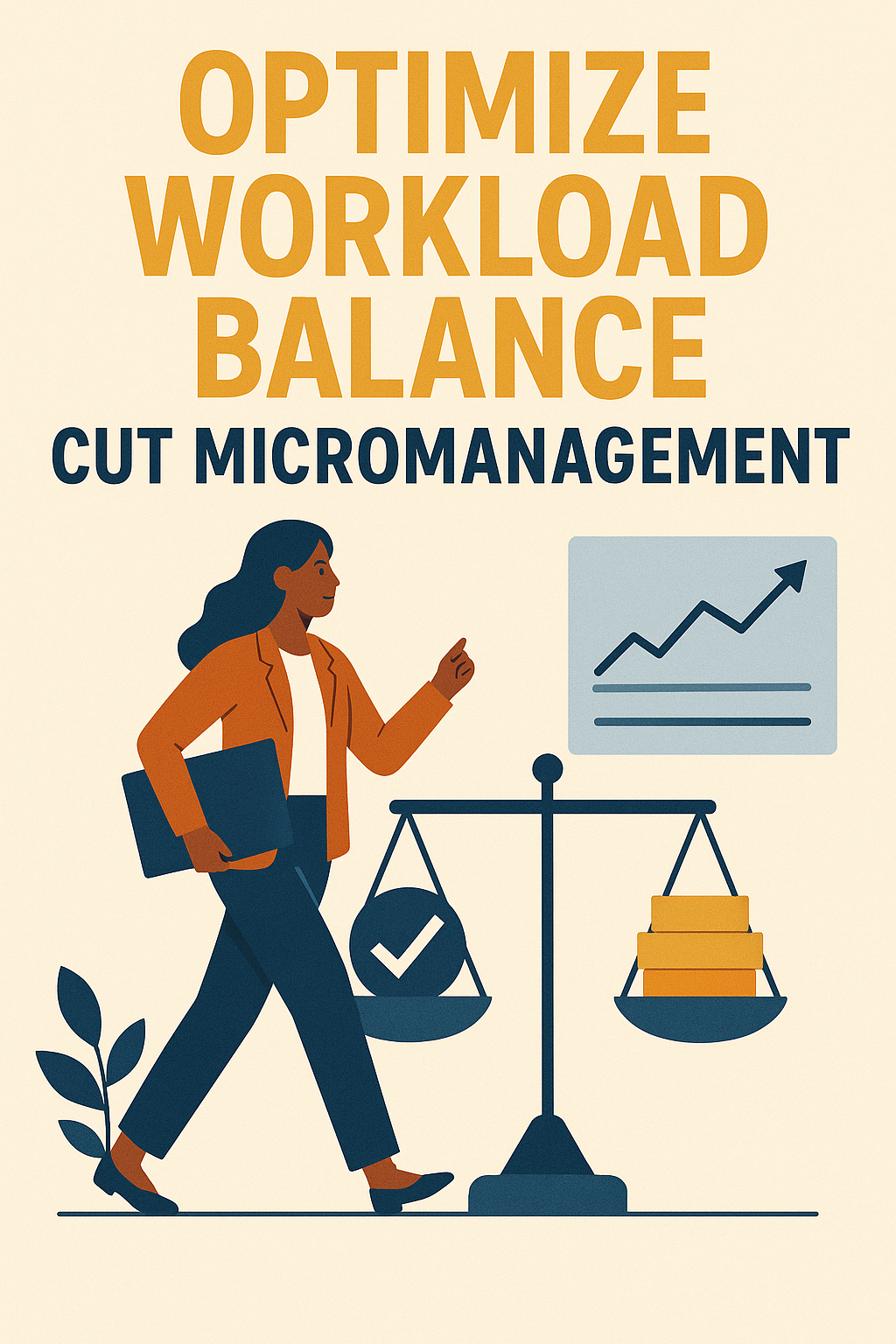
In today’s fast-evolving work landscape, organisations increasingly recognise the imperative to Optimize Workload Balance to preserve employee energy, sustain performance, and retain talent. Excessive oversight and micromanagement — once considered essential for control — are now seen as signs of outdated management design. Forward-looking firms are shifting toward trust, autonomy, and data-driven workload planning to support well-being, productivity, and sustainable growth.
Understanding the Need to Optimize Workload Balance
Workload balance is more than just distributing tasks evenly — it means aligning work with capacity, skills, and sustainable pace. When workload isn’t balanced, employees may suffer burnout, drop in engagement, or even leave the organization. Balancing workload becomes critical not just for day-to-day operations, but as a core pillar of workforce resilience and long-term organizational health.
Why Micromanagement Hinders Balanced Workload
Micromanagement — excessive control over how tasks are done — often reflects a breakdown in proper task delegation and workload planning. Rather than ensuring productivity, it causes bottlenecks: decisions pile up with managers and employees lose autonomy. In hybrid or remote-enabled workplaces, micromanagement tends to punish remote contributors over physical-presence bias, creating unequal workload burdens and hindering trust.
How Modern Tools & Approaches Support Balanced Workload
Today’s organisations can employ intelligent workload-management methods that go beyond simple task allocation. By tracking team capacity and task load in real time, managers can anticipate overload, redistribute tasks, and prevent burnout before it strikes. This enables workload optimization as a proactive, data-driven process — not a reactive rush when problems become visible. Allocation becomes based on employee strengths and output rather than mere availability or presence time, fostering fairness and efficiency.
Building a Culture of Trust and Autonomy
True workload balance requires changing mindsets along with tools. Instead of micromanaging the “how,” leadership should define the “what” — the outcomes — and allow teams the autonomy to decide the “how.” Establishing clarity with responsibility charts or areas-of-responsibility (AoR) frameworks removes ambiguity and reduces the instinct to micromanage. Encouraging upward and peer-to-peer feedback, designing systems that tolerate mistakes (as data for learning), and shifting managers’ roles toward coaching rather than policing, all help build a sustainable culture of trust.
Potential Risks and What to Watch Out For
While shifting toward autonomy and balance is rewarding, there are pitfalls — including risk of uneven task distribution if workload isn’t monitored carefully, or false sense of balance when visibility is poor. Too much reliance on autonomy without structure can lead to confusion about responsibility. Also, adopting workload-management tools must respect employee privacy and be transparent, else they may end up eroding trust.
Best Practices to Achieve Workload Balance
To successfully optimize workload balance, organisations should:
Define clear goals and output expectations rather than monitoring inputs or hours
Map team capabilities and assign tasks aligned to strengths — not just availability
Monitor capacity and task load periodically to detect overload early
Promote transparent responsibility frameworks so everyone knows who owns what
Provide autonomy, encourage feedback loops, and treat mistakes as learning opportunities
Combine balance efforts with supportive management — shifting from control to coaching
For More Info: https://hrtechcube.com/optimize-workload-balance-cut-micromanagement/
Conclusion
Optimizing workload balance is not a soft HR initiative — it’s a strategic necessity for organisations aiming to thrive in a competitive, fast-moving workplace. By replacing micromanagement with trust, aligning tasks with capacity, and embracing autonomy backed by smart workload planning, businesses can foster healthy work environments, retain talent, and boost output. Ultimately, balance isn’t just about fairness — it’s about unlocking sustainable growth and long-term organizational resilience.
In today’s fast-evolving work landscape, organisations increasingly recognise the imperative to Optimize Workload Balance to preserve employee energy, sustain performance, and retain talent. Excessive oversight and micromanagement — once considered essential for control — are now seen as signs of outdated management design. Forward-looking firms are shifting toward trust, autonomy, and data-driven workload planning to support well-being, productivity, and sustainable growth.
Understanding the Need to Optimize Workload Balance
Workload balance is more than just distributing tasks evenly — it means aligning work with capacity, skills, and sustainable pace. When workload isn’t balanced, employees may suffer burnout, drop in engagement, or even leave the organization. Balancing workload becomes critical not just for day-to-day operations, but as a core pillar of workforce resilience and long-term organizational health.
Why Micromanagement Hinders Balanced Workload
Micromanagement — excessive control over how tasks are done — often reflects a breakdown in proper task delegation and workload planning. Rather than ensuring productivity, it causes bottlenecks: decisions pile up with managers and employees lose autonomy. In hybrid or remote-enabled workplaces, micromanagement tends to punish remote contributors over physical-presence bias, creating unequal workload burdens and hindering trust.
How Modern Tools & Approaches Support Balanced Workload
Today’s organisations can employ intelligent workload-management methods that go beyond simple task allocation. By tracking team capacity and task load in real time, managers can anticipate overload, redistribute tasks, and prevent burnout before it strikes. This enables workload optimization as a proactive, data-driven process — not a reactive rush when problems become visible. Allocation becomes based on employee strengths and output rather than mere availability or presence time, fostering fairness and efficiency.
Building a Culture of Trust and Autonomy
True workload balance requires changing mindsets along with tools. Instead of micromanaging the “how,” leadership should define the “what” — the outcomes — and allow teams the autonomy to decide the “how.” Establishing clarity with responsibility charts or areas-of-responsibility (AoR) frameworks removes ambiguity and reduces the instinct to micromanage. Encouraging upward and peer-to-peer feedback, designing systems that tolerate mistakes (as data for learning), and shifting managers’ roles toward coaching rather than policing, all help build a sustainable culture of trust.
Potential Risks and What to Watch Out For
While shifting toward autonomy and balance is rewarding, there are pitfalls — including risk of uneven task distribution if workload isn’t monitored carefully, or false sense of balance when visibility is poor. Too much reliance on autonomy without structure can lead to confusion about responsibility. Also, adopting workload-management tools must respect employee privacy and be transparent, else they may end up eroding trust.
Best Practices to Achieve Workload Balance
To successfully optimize workload balance, organisations should:
Define clear goals and output expectations rather than monitoring inputs or hours
Map team capabilities and assign tasks aligned to strengths — not just availability
Monitor capacity and task load periodically to detect overload early
Promote transparent responsibility frameworks so everyone knows who owns what
Provide autonomy, encourage feedback loops, and treat mistakes as learning opportunities
Combine balance efforts with supportive management — shifting from control to coaching
For More Info: https://hrtechcube.com/optimize-workload-balance-cut-micromanagement/
Conclusion
Optimizing workload balance is not a soft HR initiative — it’s a strategic necessity for organisations aiming to thrive in a competitive, fast-moving workplace. By replacing micromanagement with trust, aligning tasks with capacity, and embracing autonomy backed by smart workload planning, businesses can foster healthy work environments, retain talent, and boost output. Ultimately, balance isn’t just about fairness — it’s about unlocking sustainable growth and long-term organizational resilience.
0
0 Reacties
0 Aandelen