Zoeken
  • Workforce 2025 Talent Strategies Shaping Collaborative Success

    Talent Strategies for Engagement are rapidly evolving as organizations adapt to shifting workforce expectations, technology-driven roles, and new definitions of meaningful work. In 2025, engagement is no longer driven by perks or policies alone but by how thoughtfully organizations design work, develop people, and lead through change.

    Organizations that rethink talent strategies with engagement at the core are better equipped to retain skilled employees, improve performance, and remain resilient in an uncertain business environment.

    Changing Expectations in the Modern Workplace

    Employees increasingly expect transparency, purpose, and autonomy in their roles. Talent strategies for engagement must align organizational goals with individual motivations, ensuring employees understand how their work contributes to broader outcomes. Clear communication and consistent feedback play a critical role in meeting these expectations.

    Flexible Work as a Foundation for Engagement

    Hybrid and flexible work models are now a standard expectation rather than a differentiator. Engagement improves when employees have control over where and how they work, supported by trust-based performance management instead of rigid schedules. Flexibility enables productivity while respecting personal boundaries.

    Skills-Based Talent Models and Internal Growth

    Traditional job-based structures limit engagement by restricting mobility. Skills-based talent strategies allow employees to move across roles and projects based on capabilities rather than titles. Continuous learning, reskilling, and internal opportunities encourage long-term commitment and career satisfaction.

    Embedding Inclusion into Everyday Work

    Inclusive practices strengthen engagement when they are integrated into daily operations rather than treated as standalone initiatives. Fair access to opportunities, inclusive leadership behaviors, and equitable decision-making processes help employees feel valued and heard across the organization.

    Proactive Responses to Talent Shortages

    Talent shortages require forward-looking workforce planning. Organizations that identify future skill needs early and invest in developing existing talent are better positioned to maintain engagement. Strategic hiring combined with internal development reduces disruption and builds workforce confidence.

    Redesigning Work to Address Burnout

    Burnout is often the result of unsustainable workloads and unclear priorities. Talent strategies for engagement must focus on realistic expectations, balanced workloads, and supportive management practices. Redesigning roles and workflows helps sustain energy and long-term performance.

    Using HR Technology to Support Engagement

    HR technology supports engagement when it provides actionable insights rather than administrative efficiency alone. Tools that enable real-time feedback, workforce analytics, and personalized development help organizations respond quickly to employee needs and improve engagement outcomes.

    Leadership Approaches That Drive Connection

    Engaged workplaces are shaped by leaders who prioritize empathy, clarity, and trust. Leadership redesign focuses on coaching, collaboration, and open communication, creating environments where employees feel supported and empowered to contribute their best work.

    For More Info: https://hrtechcube.com/rethinking-talent-strategies-workplace-2025/

    Conclusion
    Talent strategies for engagement in 2025 require a balanced approach that blends flexibility, skill development, inclusive practices, thoughtful work design, and people-centered leadership. Organizations that place engagement at the heart of their talent strategy will build resilient workforces capable of adapting to continuous change while sustaining performance and employee satisfaction.
    0 0 Reacties 0 Aandelen
  • Cell Line Development Market to Reach US$ 18.62 Billion by 2031 at 13.3% CAGR
    United States of America – [31-12-2025] – The Insight Partners is proud to announce its newest market report, Cell Line Development Market: An In-depth Analysis of the Market. The report provides a holistic view of the market and describes the current scenario along with growth estimates during the forecast period.
    Overview of the Cell Line Development Market
    The Cell Line Development Market has witnessed significant advancements in recent years, driven by the rapid expansion of the biopharmaceutical industry and the growing focus on biologics and biosimilars. The market dynamics are evolving due to increasing R&D investments, technological innovations in cell engineering, and rising demand for monoclonal antibodies and recombinant proteins.
    Key Findings and Insights
    Market Size and Growth
    The cell line development market was valued at US$ 6.86 billion in 2023 and is expected to reach US$ 18.62 billion by 2031. The market is expected to register a CAGR of 13.3% in 2023–2031
    Key Factors Influencing Market Growth:
    The market is primarily driven by the rising production of biologics, increasing demand for cost-effective and scalable manufacturing processes, and advancements in gene-editing technologies such as CRISPR and recombinant DNA techniques. Moreover, the growing prevalence of chronic and infectious diseases has accelerated the need for novel therapeutics, thereby boosting demand for efficient cell line development solutions.
    Market Segmentation
    • By Type
    • Primary Cell Line
    • Hybridomas
    • Continuous Cell Lines
    • Recombinant Cell Line
    • By Product
    • Equipment
    • Media
    • Reagent
    • By Application
    • Drug Discovery
    • Bioproduction
    • Tissue Engineering
    By Regions
    • North America
    • Europe
    • Asia-Pacific
    • South and Central America
    • Middle East and Africa

    Spotting Emerging Trends
    Technological Advancements:
    Rapid advancements in cell engineering technologies, automation, and high-throughput screening systems are transforming the cell line development process. The integration of artificial intelligence and machine learning in cell selection and optimization is improving efficiency, reducing timelines, and enhancing reproducibility.
    Changing Consumer Preferences:
    Pharmaceutical and biotechnology companies are increasingly favoring stable, high-yield cell lines that reduce production costs and accelerate time-to-market. There is also a growing preference for customized and application-specific cell line development services to support complex biologic pipelines.
    Regulatory Changes:
    Evolving regulatory guidelines emphasizing product quality, safety, and consistency are encouraging companies to adopt standardized and well-documented cell line development processes. Regulatory support for biosimilars and biologics is further creating a favorable environment for market growth.
    Growth Opportunities
    Significant growth opportunities exist in emerging markets due to increasing healthcare investments, expanding biopharmaceutical manufacturing capacities, and rising clinical trial activities. The growing adoption of single-use technologies, expansion of CRO services, and increasing focus on personalized and precision medicine are expected to open new revenue streams for market players. Additionally, strategic collaborations, mergers, and acquisitions are anticipated to strengthen market positioning and global reach.
    Conclusion
    The Cell Line Development Market: Global Industry Trends, Share, Size, Growth, Opportunity, and Forecast 2023–2031 report provides essential insights for companies planning to establish or expand their presence in the cell line development market. With comprehensive analysis of competitive dynamics, regulatory environment, and growth potential, stakeholders can make informed, data-driven decisions to enhance business opportunities and achieve sustainable growth.
    About The Insight Partners
    The Insight Partners is among the leading market research and consulting firms globally. We specialize in delivering exclusive reports combined with advanced strategic and tactical insights. Our research methodology integrates primary and secondary research to provide clients with knowledge-driven market intelligence, enabling informed business decision-making. A holistic and analytical approach ensures that each study remains reliable, actionable, and industry relevant.
    Related Report:
    Monoclonal Antibodies Market Future Trends and Growth Outlook (2026-2034)
    Medical Enzyme Technology Market Growth and Outlook (2026-2034)
    Home Medical Devices Market Overview and Growth Prospects (2026-2034)
    0 0 Reacties 0 Aandelen
  • Next-Level HR Growth via 3 HR Trends & Priorities

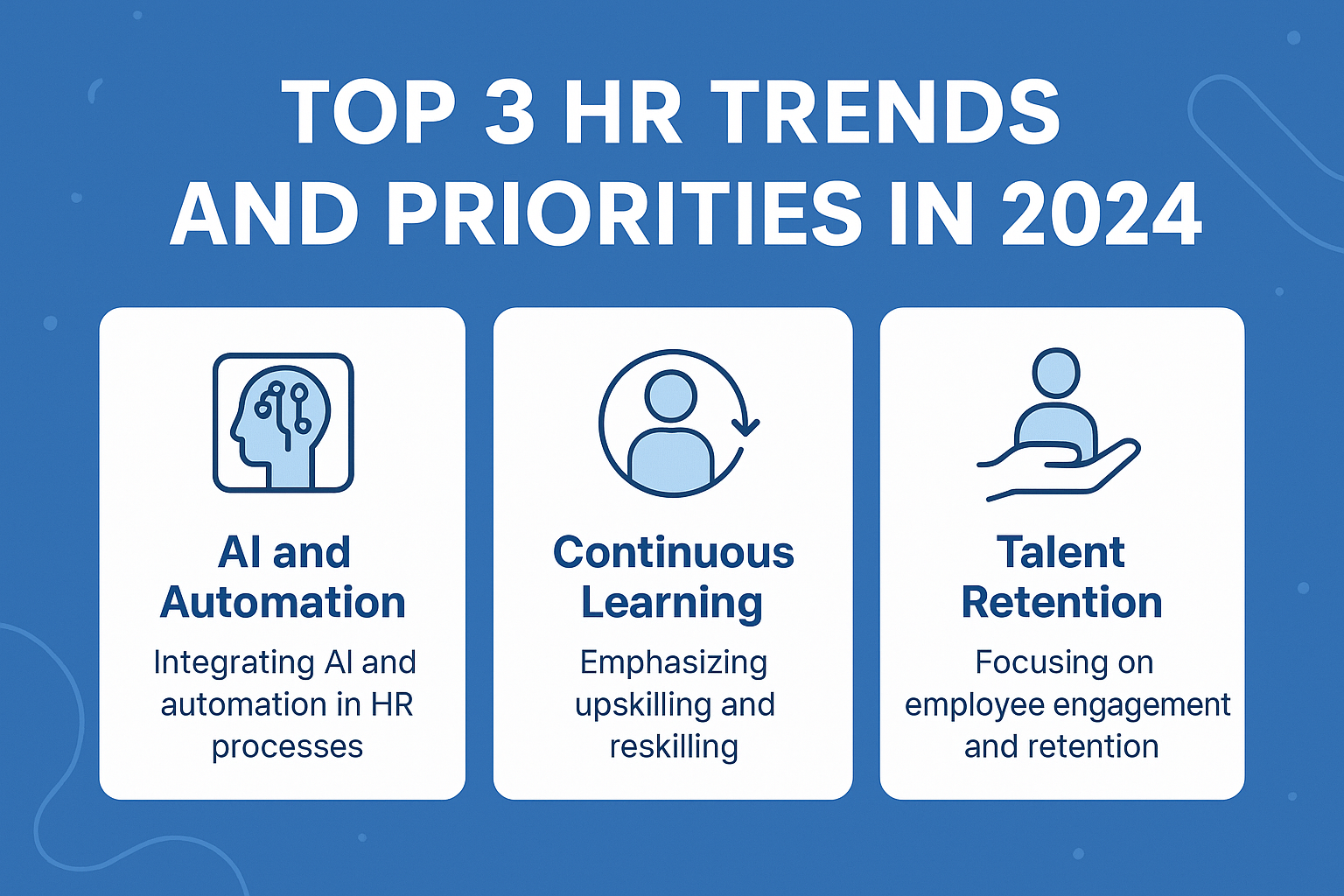
    Human Resources (HR) has evolved from administrative support to a strategic driver of organizational growth. In 2024, HR leaders face both challenges and opportunities as workplaces transform rapidly. This article explores 3 HR Trends & Priorities shaping HR strategies, helping organizations adapt, innovate, and thrive in a competitive talent landscape.

    Overview of HR’s Strategic Role
    HR is no longer confined to administrative tasks; it now drives workforce strategy and business outcomes. The modern HR function balances people management with technology adoption, culture building, and strategic planning. Organizations that leverage HR as a core pillar of decision-making are better positioned to meet the evolving demands of employees and the market.

    AI and Automation in HR
    Integrating AI and automation is a critical HR Trend & Priority. AI streamlines recruitment, enhances candidate matching, and automates repetitive administrative tasks. This enables HR teams to focus on strategic initiatives like workforce planning and employee engagement. Organizations leveraging AI gain efficiency and create a more personalized experience for employees.

    Continuous Learning and Skill Development
    Continuous learning is essential in a rapidly changing work environment. Upskilling and reskilling employees help organizations close competency gaps and stay competitive. HR teams are prioritizing training programs, mentorship, and knowledge-sharing initiatives to foster growth, agility, and innovation across the workforce.

    Talent Retention and Engagement
    Retaining top talent is a major HR Priority. Organizations focus on creating engaging workplaces, providing career development paths, and offering competitive compensation. Programs that recognize employee contributions, encourage feedback, and support well-being increase loyalty, reduce turnover, and strengthen organizational performance.

    For More Info: https://hrtechcube.com/3-key-hr-trends-priorities/

    Conclusion
    In 2024, the 3 HR Trends & Priorities — AI and automation, continuous learning, and talent retention — are pivotal for organizational success. By embracing these trends, HR leaders can enhance workforce engagement, drive performance, and maintain a competitive edge in an ever-evolving work landscape.
    0 0 Reacties 0 Aandelen
  • 7 Benefits of Apple Cider Vinegar for Diabetics
    Apple cider vinegar and type 2 diabetes
    Type 2 Diabetes, which affects millions worldwide, is a chronic disease that results from consistently high blood sugar levels. As we all know by now, diet plays a huge role in triggering, as well as, managing the condition. While medicines are usually the first line of defence, switching to a plant-based diet has been shown to be far more effective and sustainable. There are several natural ingredients that complement this approach, with their ability to lower blood sugar. Apple cider vinegar (ACV) is one of them. With its tart acidic flavour, Apple cider vinegar finds use among a variety of dishes, especially soups and salads. But there is more than flavour to commend this condiment, as we shall see.
    Apple Cider Vinegar Benefits
    1. Reduces Inflammation
    The root cause of diabetes is insulin sensitivity. And this is caused, in part, by prolonged high inflammation in the body. This happens when the body turns acidic. Apple cider vinegar, on the other hand, increases alkalinity in the body, reducing inflammation and improving sensitivity.
    2. Reduces Blood Glucose Levels
    Apple cider vinegar (ACV) contains acetic acid which has been shown to slow the conversion of complex carbohydrates into sugar, thus reducing the amount of glucose absorbed in the bloodstream, and directly decreasing blood glucose levels.
    3. Helps with Weight Loss
    A randomized clinical trial published in ‘Journal of Functional Food’ had participants drink 15 ml (2 tablespoons) of ACV with lunch and dinner. The research found that people in the ACV group lost an average of eight and a half pounds over 12 weeks. ACV is shown to lower appetite and this may be the reason behind the weight loss. 
    Ways to Consume Apple Cider Vinegar
    Mix 1-2 tablespoons of Apple cider vinegar in approximately 100 ml of water. This decoction can be had in between meals or before bedtime.
    ACV can also be used to add flavour to salads, sauces and soups.
     Side effect of Apple Cider Vinegar 
    Continuous consumption of ACV over long durations can lead to negative effects. Being acidic in nature, it can damage teeth by eroding the enamel.
    Browse full blog-
    https://www.freedomfromdiabetes.org/blog/post/top-5-benefits-of-apple-cider-vinegar-in-diabetes-management/1553
    Contact us :-
    Mob : +91-7776077760
    Email-Id : info@freedomfromdiabetes.org
    Also connect with us on our website , Facebook page, and youtube
    Is apple cider vinegar good for diabetic patients? - Freedom from Diabetes
    What are the top 5 apple cider vinegar benefits in diabetes management. Apple cider vinegar help in reduces inflammation, reduce blood glucose levels and more.
    WWW.FREEDOMFROMDIABETES.ORG
    0 0 Reacties 0 Aandelen
  • Advancing HR Maturity Using Smart HR Transformation Tools

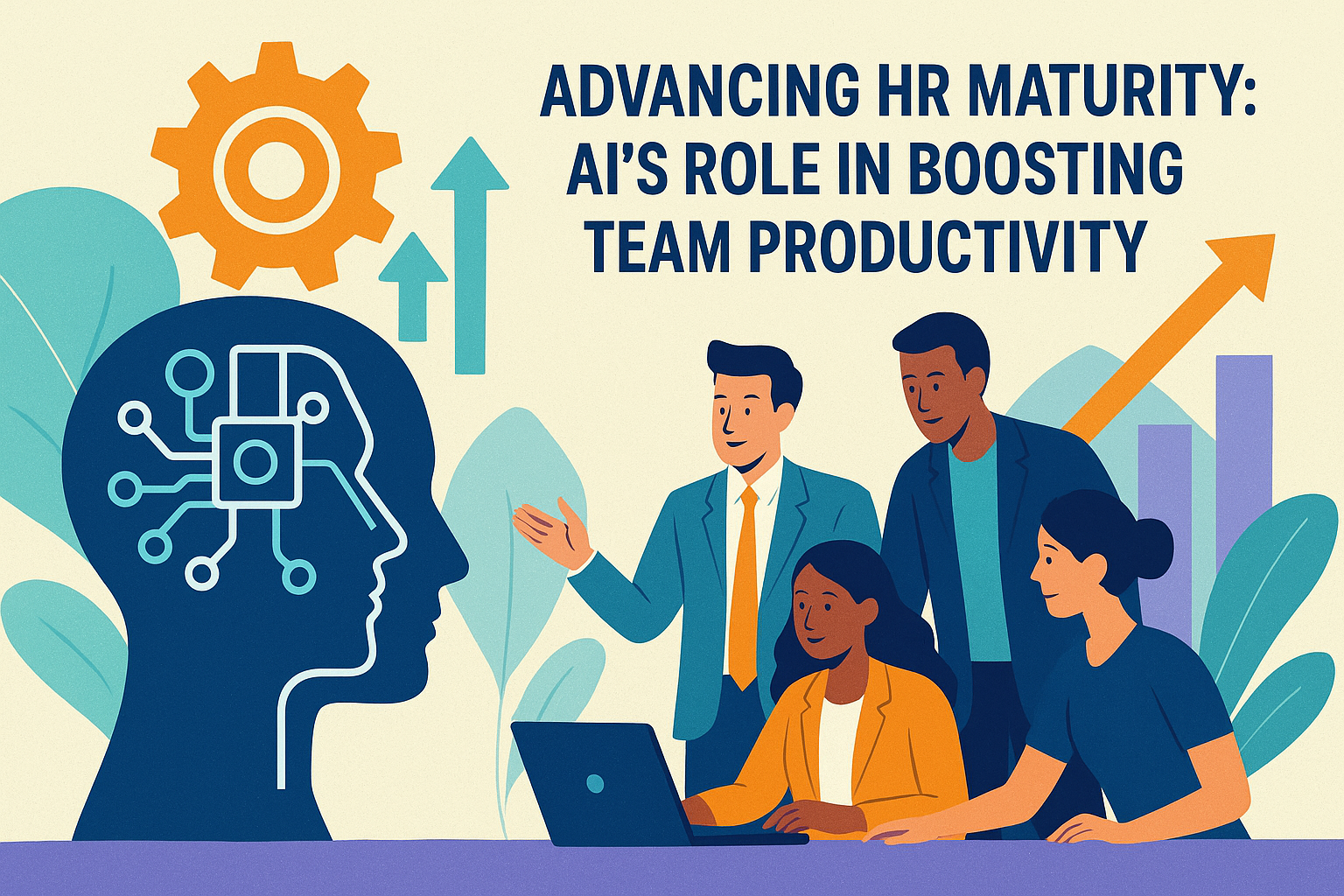
    As organizations evolve toward smarter and more adaptive operating models Advancing HR Maturity has become a defining benchmark of long-term competitiveness. The integration of AI across HR functions is accelerating this shift enabling teams to work more intelligently while strengthening data-driven decision-making and workforce alignment.

    Table of Contents

    Understanding HR Maturity

    Why HR Maturity Matters for Modern Teams

    The Role of AI in Advancing HR Maturity

    Core Foundations for an AI-Enabled HR Function

    Steps to Strengthen HR Maturity with AI

    Ethical Use and Challenges

    Conclusion

    1. Understanding HR Maturity

    HR maturity reflects how strategically an HR function operates. A mature HR team moves beyond task execution toward influencing culture performance and organizational growth. It demonstrates strong alignment with business goals and uses insights rather than intuition to guide its actions.

    2. Why HR Maturity Matters for Modern Teams

    Organizations with higher HR maturity typically experience stronger collaboration higher retention and more consistent productivity. As business environments become dynamic HR’s ability to forecast workforce needs support employee growth and build agility becomes crucial.

    3. The Role of AI in Advancing HR Maturity

    AI empowers HR teams by transforming raw workforce data into actionable intelligence. Through automation of routine tasks and advanced analytics HR can shift attention to human-centric initiatives such as capability building leadership development and strategic planning.
    AI also enhances team productivity by analysing workload patterns flagging skill gaps predicting burnout risks and recommending personalized learning pathways.

    4. Core Foundations for an AI-Enabled HR Function

    A mature HR environment supported by AI typically rests on:

    Clear alignment between technology and organizational goals

    Strong data governance and transparent practices

    Skill development to build AI confidence across HR teams

    Integrated HR systems for seamless information flow

    A culture that views AI as a partner not a replacement

    5. Steps to Strengthen HR Maturity with AI

    Organizations can advance maturity by:

    Starting with small AI interventions in recruitment learning or workforce planning

    Building dashboards that unify people analytics into a single view

    Training HR teams in ethical and practical AI use

    Establishing clear responsibilities across HR operations

    Continuously evaluating AI’s impact on productivity and engagement

    6. Ethical Use and Challenges

    AI adoption must be thoughtful and employee-centric. Unchecked data use can create distrust and assumptions may lead to biased outcomes. Transparency fairness and governance are essential for maintaining a human-first approach. AI should support decisions never make them in isolation.

    For More Info: https://hrtechcube.com/advancing-hr-maturity-ai-intelligence/

    Conclusion

    Advancing HR Maturity through AI represents a shift toward smarter faster and more integrated workforce management. When AI is adopted responsibly it strengthens employee experience removes operational inefficiencies and empowers HR to deliver strategic value. The future of HR thrives where intelligence systems and human insight work together to elevate team productivity and organizational success.
    0 0 Reacties 0 Aandelen
  • Building Supportive Daily Habits for Employee Mental Health

    HR Support Employees Mental Health is becoming a central priority for organizations striving to build healthier, more resilient, and more productive workforces. As workplace pressures rise and employee expectations evolve, both HR teams and managers play a crucial role in shaping an environment where individuals feel safe, supported, and mentally empowered. This collaboration not only strengthens employee morale but also enhances overall organizational performance.

    Table of Contents

    Understanding the Need for Mental Health Support
    Creating Open Communication Channels
    Establishing Flexible Work Practices
    Providing Access to Wellbeing Resources
    Training Managers to Identify Mental Health Needs
    Building a Culture of Continuous Support
    1. Understanding the Need for Mental Health Support

    A supportive workplace begins with awareness. HR professionals and managers must recognize that employees may face challenges that affect their emotional wellbeing, focus, and productivity. By acknowledging mental health as a critical element of organizational success, leaders can create space for more meaningful conversations and interventions.

    2. Creating Open Communication Channels

    Employees are more likely to seek help when they know their voice matters. HR and managers should encourage open discussions, private check-ins, and opportunities for honest expression without fear of judgment. This reduces stigma and strengthens trust within the team.

    3. Establishing Flexible Work Practices

    Flexibility can significantly reduce stress and enhance work-life balance. Through supportive scheduling, remote options, or adaptable workloads, HR departments and managers empower employees to manage personal responsibilities while staying productive and engaged.

    4. Providing Access to Wellbeing Resources

    Organizations can support mental health by offering access to counseling services, wellness programs, self-help tools, or peer support groups. HR teams can introduce these resources, while managers can reinforce their usage by ensuring employees know when and how to access them.

    5. Training Managers to Identify Mental Health Needs

    Managers are often the first to notice changes in employee behavior. Training them to recognize early signs of burnout, stress, or disengagement enables timely support. HR can facilitate workshops that equip leaders with the right language, empathy, and intervention strategies.

    6. Building a Culture of Continuous Support

    A mentally supportive workplace is not a one-time initiative. HR and managers must consistently reinforce healthy behaviors, celebrate work-life balance, and model positive wellbeing habits. This long-term approach builds a culture where employees feel valued and safe.

    For More Info: https://hrtechcube.com/5-ways-managers-and-hrs-can-support-employees-mental-health/

    Conclusion

    Supporting employee mental health is a shared responsibility that requires ongoing collaboration between HR and managers. By fostering open communication, providing helpful resources, enabling flexibility, and building a culture of consistent care, organizations can create an environment where employees feel secure both emotionally and professionally. This holistic approach strengthens engagement, loyalty, and overall workplace wellbeing.
    0 0 Reacties 0 Aandelen
  • Flexible Work Options to Attract Top Talent

    In today's evolving workplace, flexible work options have shifted from being a perk to a strategic imperative. As organizations navigate talent shortages, rapid technological change, and rising employee expectations, flexibility is no longer optional — it's foundational to building a resilient, innovative workforce.

    Table of Contents

    What Do Flexible Work Options Really Mean

    Why Flexible Work Is a Business Imperative

    Rethinking Work Policies for a Diverse Workforce

    Technology That Enables Flexibility

    Trust, Autonomy, and Measuring Outcomes

    Tackling Inequities: The Flexibility Gap

    The Future of Work and the Next Frontier

    A Framework to Put Flexibility into Action

    1. What Do Flexible Work Options Really Mean

    Flexible work isn't just about remote vs office. It spans multiple dimensions — where people work, when they work, how much they work, and even what their role looks like day-to-day. These options can include fully remote, hybrid, compressed workweeks, part-time schedules, and even job sharing. When implemented thoughtfully, flexibility empowers employees to design work in a way that aligns with their lives.

    2. Why Flexible Work Is a Business Imperative

    Organizations are increasingly viewing flexible work not just as an HR benefit but as a core driver of performance and retention. Flexibility boosts engagement, reduces turnover, and enhances employer branding — especially for younger talent who prioritize autonomy and trust. Moreover, giving employees control over their work arrangements can signal resilience and adaptability, both to internal teams and external stakeholders.

    3. Rethinking Work Policies for a Diverse Workforce

    Rigid policies rarely meet the needs of a truly diverse workforce. Instead, companies should design dynamic frameworks that evolve with regulations, demographics, and culture. For example, introducing pilot programs can help test flexibility models, while feedback loops ensure policies are refined rather than static. It’s key to ask whether policies really empower employees or just check a box.

    4. Technology That Enables Flexibility

    Technology plays a critical enabling role for flexible work. Collaboration platforms, AI-driven scheduling tools, and performance analytics systems help distributed teams stay connected and aligned. Emerging “work orchestration” platforms can unify workflow, learning, and performance data — but they must be backed by strong governance, especially around data privacy and security.

    5. Trust, Autonomy, and Measuring Outcomes

    Balancing freedom with accountability is one of the most sensitive leadership challenges. Rather than tracking hours, forward-thinking organizations are reimagining performance metrics around outcomes. By shifting to outcome-based KPIs, teams can foster creativity and trust, while also ensuring clarity on responsibility.

    6. Tackling Inequities: The Flexibility Gap

    Not everyone gets the same level of flexibility. While knowledge workers may enjoy full autonomy, frontline or administrative staff often face tight constraints. Addressing this “flexibility gap” requires layered approaches — such as staggered shifts, role redesign, or rotating duties — so that all employees can access meaningful choices.

    7. The Future of Work and the Next Frontier

    Looking ahead, AI and personalization will further revolutionize flexible work. By 2027, organizations may tailor work models to individual preferences, performance patterns, and life situations. Sustainability will also shape flexibility agendas, with companies reducing commuting footprints and embedding greener practices into how and where work happens.

    8. A Framework to Put Flexibility into Action

    To translate flexibility from theory into practice, leaders can follow a structured approach:

    Audit existing policies for gaps or inequalities

    Run pilots with different flexible models

    Scale the models that succeed, while ensuring cultural alignment

    Continuously collect feedback and benchmark against industry standards

    Key guiding questions include: Are we measuring outcomes versus hours? Are all roles — not just office-based ones — able to access flexibility? Are we embedding compliance, inclusion, and security into every flexible work design?

    For More Info: https://hrtechcube.com/empowering-employees-with-flexible-work-options/

    Conclusion
    Flexible work options are no longer an optional bonus — they are a fundamental component of modern workforce strategy. By embracing flexibility as a mechanism for trust, innovation, and resilience, organizations can unlock new levels of engagement and long-term competitiveness. When implemented with purpose, flexible models not only support individual empowerment, but also reinforce stronger, more adaptive institutions.
    0 0 Reacties 0 Aandelen
  • Aircraft Paint Market Growth Outlook: Advanced Coatings & Performance
    Aircraft Paint Market Size, Trends, and Future Growth Outlook (2025–2033)
    The global Aircraft Paint Market is witnessing steady expansion, driven by rising aircraft production, fleet modernization programs, and increasing demand for enhanced performance and aesthetics in the aviation sector. According to market insights, the industry was valued at USD 1.5 billion in 2025 and is projected to reach USD 2.6 billion by 2033, registering a strong CAGR of 7.0% during the forecast period.

    In today’s highly competitive aviation landscape, aircraft paint is more than just a cosmetic covering it plays a critical role in protection, durability, aerodynamics, and branding. With airlines prioritizing efficiency and sustainability, advanced coatings are becoming a key enabler of long-term operational performance.

    Full Indepth Insights: https://m2squareconsultancy.com/reports/aircraft-paint-market

    What is the Aircraft Paint Market?
    The Aircraft Paint Market covers specialized coatings and paints used across commercial, military, and general aviation fleets. Unlike traditional paints, these coatings are designed to withstand extreme weather conditions, UV radiation, corrosion, and high-altitude stress. They are also engineered to reduce drag, improve fuel efficiency, and enhance the lifespan of aircraft components.

    The market includes:

    Primers and Basecoats – Protecting metal surfaces against corrosion.
    Topcoats – Offering durability and visual appeal.
    Specialty Coatings – Including heat-resistant, anti-static, and fuel-resistant formulations.
    Request sample copy this report:

    https://m2squareconsultancy.com/request-sample/aircraft-paint-market

    Key Market Drivers
    Rising Aircraft Production

    The rapid growth in global air travel demand is pushing aircraft manufacturers such as Airbus and Boeing to increase production. Each new aircraft requires specialized coatings, directly fueling demand in the aircraft paint industry.

    Fleet Modernization and Maintenance

    Airlines are actively investing in upgrading and repainting their fleets to ensure better efficiency and extend service life. Aircraft repainting cycles generally occur every 6–8 years, creating recurring demand for paints and coatings.

    Fuel Efficiency and Sustainability Goals
    Modern aircraft coatings are lighter, thinner, and more aerodynamically efficient. By reducing drag, they contribute to lower fuel consumption—an essential factor as airlines aim to reduce carbon emissions.

    Branding and Passenger Experience
    Aircraft livery has become a branding tool for airlines. Striking visuals and unique paint designs help carriers stand out while offering passengers a modern travel experience.

    Growth in Military Aviation
    Defense organizations worldwide are upgrading aircraft fleets, requiring camouflage, stealth, and anti-corrosion coatings, further driving market growth.

    Market Challenges
    Despite strong growth, the Aircraft Paint Market faces challenges:

    High Costs: Aircraft coatings are significantly more expensive than automotive paints due to strict performance requirements.
    Regulatory Standards: Compliance with aviation safety and environmental regulations increases R&D and production costs.
    Supply Chain Constraints: Fluctuations in raw material availability can affect pricing and supply reliability.
    Regional Insights
    North America: Dominates the market due to the presence of major aircraft manufacturers, strong MRO (Maintenance, Repair & Overhaul) facilities, and advanced R&D in coatings.
    Europe: A significant market with leading aerospace hubs like France, Germany, and the UK. Sustainability-focused innovations are gaining traction here.
    Asia-Pacific: Expected to grow fastest, led by increasing passenger traffic, rising airline fleets in China and India, and government investments in aviation infrastructure.
    Middle East & Africa: Growth fueled by expanding airline networks in UAE, Qatar, and Saudi Arabia.
    Technological Advancements
    Innovation is central to the Aircraft Paint Market, with companies investing heavily in R&D. Notable trends include:

    Eco-Friendly Coatings: Low-VOC and water-based paints are gaining momentum due to stricter environmental regulations.
    Nanotechnology in Coatings: Nanomaterials improve resistance to abrasion, corrosion, and extreme weather.
    Self-Healing Paints: Advanced coatings that repair minor scratches automatically, reducing maintenance needs.
    Lightweight Coatings: Reducing the weight of paints can improve aircraft fuel efficiency by significant margins.
    Competitive Landscape
    The market is highly competitive with both global and regional players focusing on partnerships, product launches, and acquisitions. Key players include:

    AkzoNobel N.V.
    PPG Industries, Inc.
    Sherwin-Williams Aerospace Coatings
    Axalta Coating Systems
    Henkel AG & Co.
    These companies are actively developing sustainable and high-performance coatings tailored for modern aviation requirements.

    Future Outlook
    The Aircraft Paint Market is poised for strong growth, supported by:

    Continuous fleet expansion by airlines.
    Increased focus on green aviation and eco-friendly coatings.
    Rising defense expenditure across key nations.
    Technological advancements in durable, lightweight, and smart coatings.
    By 2033, the industry is expected to exceed USD 2.6 billion, cementing its role as a vital segment of the aerospace supply chain.

    Related More New Topics:
    https://m2squareconsultancy.com/reports/global-forklift-market

    https://m2squareconsultancy.com/reports/satellite-data-services-market

    https://m2squareconsultancy.com/reports/aluminium-foil-packaging-market

    https://m2squareconsultancy.com/reports/flexible-packaging-market

    Conclusion

    The global Aircraft Paint Market is evolving from being a functional necessity to a strategic enabler of aircraft performance, branding, and sustainability. As airlines, OEMs, and defense organizations modernize fleets, demand for advanced coatings will continue to surge. With innovation driving eco-friendly and fuel-efficient solutions, the market is set to expand steadily in the coming decade.

    About m2squareconsultancy :

    We are a purpose-driven market research and consulting company passionate about turning data into direction. Founded in 2023, we bring together researchers, strategists, and data scientists who believe that intelligence isn’t just about numbers, it’s about insight that sparks progress.

    Contact Us:

    Email: sales@m2squareconsultancy.com
    Phone (IN): +91 80978 74280
    Phone (US): +1 929 447 0100

    Aircraft Paint Market Size, Share, Trends, Growth and Forecast 2033
    Aircraft Paint Market OverviewThe global Aircraft Paint Market is witnessing steady expansion, driven by rising aircraft production, fleet mod...
    M2SQUARECONSULTANCY.COM
    0 0 Reacties 0 Aandelen
  • The global Ink & Toner Cartridges Market is projected to reach USD 22.4 billion by 2032, growing at a steady CAGR of 4.9% during the forecast period (2024–2032). The market is experiencing significant traction due to the ongoing need for high-quality printing in offices, educational institutions, and homes, alongside rising demand for cost-effective and reliable printing solutions.
    As per the latest report from DataIntelo, the market was valued at USD 14.2 billion in 2023. Despite the digital shift, businesses continue to rely on printed documents for compliance, records, and administrative communication—sustaining consistent demand for both ink and toner cartridges globally.
    Request a Sample Report
    Ink cartridges are primarily used in home and photo printing, while toner cartridges are favored in high-volume office environments due to their efficiency and output capacity. The Asia-Pacific region leads the global market, driven by rapid urbanization, expanding educational infrastructure, and SME growth.
    Emerging economies are showcasing a shift toward remanufactured and refillable cartridges due to cost savings and growing environmental awareness. Additionally, technological advancements in printing hardware continue to expand compatibility and performance.
    • High demand for cost-effective printing in SMEs and home offices
    • Increasing adoption of eco-friendly and refillable cartridges
    • Growth in e-commerce platforms for easy cartridge replacement
    However, the market faces restraints such as growing digitalization and increased focus on paperless workflows. The shift toward cloud-based documentation and digital signatures may reduce the frequency of print jobs in some sectors, challenging long-term cartridge consumption.
    Nonetheless, strong opportunities lie ahead as hybrid work models demand flexible printing setups both at home and at the office. Innovation in cartridge yield and recyclability also boosts market appeal.
    View Full Report
    North America and Europe are expected to witness stable growth as enterprises continue to upgrade printing equipment with cost-saving cartridge solutions. Additionally, the rise of online education and remote work in these regions supports ongoing cartridge usage.
    The growing demand for remanufactured cartridges provides a sustainable edge for manufacturers. These solutions not only reduce environmental impact but also cater to price-sensitive users looking for quality output at lower costs.
    • Remanufactured and recycled cartridges gaining popularity
    • Demand surge from hybrid work and blended learning models
    • Technological innovations in ink/toner formulations improving print quality
    As printing needs evolve, manufacturers are focusing on offering smart cartridge solutions with chip integration and page yield optimization. Subscription-based cartridge supply models are also emerging, ensuring consistent user engagement.
    Enquire Before Buying
    Further, demand for compact printers and multifunctional devices among home-based users has triggered parallel growth in cartridge sales. Continuous product innovation, combined with competitive pricing strategies, is expected to fuel global expansion.
    Check Out the Report
    About Us
    DataIntelo is a leading market research and consulting firm, specializing in providing actionable insights across various industries. Our expertise lies in offering in-depth market intelligence reports that empower businesses to make informed decisions. With a vast repository of market data and a dedicated team of analysts, DataIntelo delivers strategic solutions to meet client requirements.
    Contact Us
    Email: sales@dataintelo.com
    Phone: +1 909 414 1393
    Website: https://dataintelo.com/

    Dataintelo - Consulting & Market Research Company
    Dataintelo Trusted by Fortune 500 companies across various industries, for insightful high-quality market research reports and customized business solutions.
    DATAINTELO.COM
    0 0 Reacties 0 Aandelen
  • Hair Care Products Industry Trends and Forecast 2032 at 4.5% CAGR
    According to a recent report by DataIntelo, the global 316 Stainless Steel market is poised for significant growth, projected to achieve a valuation of USD 4.8 billion by 2032, expanding at a CAGR of 5.2% during the forecast period. This strong performance is attributed to rising demand across multiple industries, especially in construction, automotive, marine, and medical sectors.
    316 stainless steel’s superior corrosion resistance, strength at elevated temperatures, and exceptional weldability make it a preferred material for critical applications. As industries shift toward high-performance materials to ensure product longevity, the market for 316 stainless steel is expected to grow consistently.
    Request a Sample Report
    The market growth is further reinforced by increasing infrastructural investments in emerging economies. Governments worldwide are heavily investing in infrastructure modernization, creating opportunities for corrosion-resistant materials like 316 stainless steel. Simultaneously, stricter quality and durability standards are pushing manufacturers to adopt higher-grade materials.
    On the flip side, the market faces challenges such as fluctuating raw material costs, especially nickel and molybdenum, essential elements in 316 stainless steel production. Price volatility may limit market expansion, particularly among cost-sensitive industries and emerging economies.
    Key Market Drivers
    • Rising Demand for Corrosion-Resistant Materials: Especially in marine and chemical processing sectors.
    • Booming Infrastructure Projects: Large-scale construction projects in Asia-Pacific and the Middle East.
    • Growing Medical Applications: Use in surgical tools and implants due to biocompatibility.
    • Industrial Growth: Expansion in oil & gas, power generation, and food processing industries.
    Sustainability is another emerging driver. As environmental concerns grow, the recyclability of stainless steel offers a major advantage, prompting industries to prefer it over less eco-friendly alternatives.
    Two paragraphs done, now another CTA:
    View Full Report
    In contrast, alternative materials like duplex stainless steel, which offers comparable corrosion resistance at a lower cost, could restrain 316 stainless steel's market share in the long term. However, the premium properties of 316 stainless steel ensure its relevance for high-end, critical applications.
    The surge in offshore oil and gas exploration is likely to present new growth avenues. Offshore structures require materials with excellent corrosion resistance, and 316 stainless steel fits these specifications, thereby boosting demand during the forecast period.
    Key Market Opportunities
    • Expansion in Emerging Economies: Rapid urbanization and industrialization in India, China, and Brazil.
    • Technological Advancements: Innovations enhancing material properties and cost-efficiency.
    • Increased Demand in Medical Sector: Rising need for surgical instruments and implants.
    • Growth in Renewable Energy Sector: Application in solar panels and wind turbines components.
    Additionally, market players are increasingly focusing on R&D activities to develop improved alloys that meet new industrial demands while keeping costs in check. This strategy will likely help companies tap into previously untapped segments.
    https://dataintelo.com/enquiry-before-buying/229040
    Regional Analysis
    The Asia-Pacific region dominates the global 316 stainless steel market, with China accounting for the largest share due to its massive manufacturing sector and expanding infrastructure activities. India and Southeast Asian countries are emerging as significant contributors, propelled by growing investments in construction and energy sectors.
    North America holds a substantial share as well, driven by steady demand from the aerospace, automotive, and medical industries. Europe follows closely, with strong applications in the automotive and food processing industries, supported by stringent regulations on material quality.
    Competitive Landscape
    The global market is moderately fragmented, with numerous regional and international players competing based on quality, innovation, and pricing strategies. Companies are increasingly investing in capacity expansions, partnerships, and product launches to strengthen their market positions.
    • Innovation Focus: Continuous improvement of manufacturing processes for superior product quality.
    • Capacity Expansion: New production plants being established in high-growth regions.
    • Strategic Collaborations: Partnerships for technological advancements and geographical expansion.
    • Sustainability Initiatives: Emphasis on recycling and sustainable manufacturing practices.
    https://dataintelo.com/checkout/229040
    The adoption of Industry 4.0 practices is also influencing the 316 stainless steel market. Automation, AI-based quality control, and smart manufacturing are helping producers optimize efficiency and reduce costs, ultimately enhancing market competitiveness.
    Going forward, new product developments tailored to niche applications are likely to create lucrative opportunities. From aerospace-grade fasteners to specialized medical equipment, the evolution of customer requirements will shape the future of this industry.
    About Us
    DataIntelo is a leading market research and consulting firm, specializing in providing actionable insights across various industries. Our expertise lies in offering in-depth market intelligence reports that empower businesses to make informed decisions. With a vast repository of market data and a dedicated team of analysts, DataIntelo delivers strategic solutions to meet client requirements.
    Contact Us
    Email: sales@dataintelo.com
    Phone: +1 909 414 1393
    Website: https://dataintelo.com/


    Dataintelo - Consulting & Market Research Company
    Dataintelo Trusted by Fortune 500 companies across various industries, for insightful high-quality market research reports and customized business solutions.
    DATAINTELO.COM
    0 0 Reacties 0 Aandelen

Geen resultaten te tonen

Geen resultaten te tonen

Geen resultaten te tonen

Geen resultaten te tonen

Geen resultaten te tonen