Zoeken
  • Health Benefits of Ash Gourd (पेठा)
    Ash gourd Also known as Winter-melon, or Kohala in Marathi and Petha in Hindi,  Ash Gourd is a round or oblong melon, native to South Asia. It grows on a vine and is very similar in size and colour to a watermelon. When ripe, the ash gourd’s exterior transforms from its fuzzy surface into a waxy, ash-coloured exterior, which also lends the gourd its name.Ash Gourd’s Nutrition Profile
    Ash gourd is rich in fibre but low in calories. It has a negligible amount of fat and carbs but scores high in micronutrients and vitamins. It is rich in Vitamin C, Roboflavin—which helps the body to synthesise macronutrients (proteins, carbs, fats) to generate energy. It also contains flavonoids and carotenes—powerful antioxidants act protect the body from free radical damage,
    Ash Gourd Health Benefits
    Fights diabetes
    Its low calorie-high-fibre combination slows the absorption of glucose into the bloodstream, thereby bringing down blood sugar levels (BSL). It also increases safety, reduces cravings, helping in weight loss diets.
    Ash gourd’s anti-oxidant elements improve immunity and protect the body from the ravages of free radicals. This, along with its high water content helps indirectly improving the functioning of the excretory system, and visceral organs, like the kidneys.
    2. Protects Against Kidney damage

    Ash gourd juice has a catalytic effect on the excretory system. Its water content and enzymes help increase the removal of fluids in the kidneys. This helps the body get rid of accumulated toxins while having a hydrating effect on internal organs.
    Protects from High Thyroid Hormone Levels
    The thyroid is a very important gland. This tiny gland produces two thyroid hormones known as T3 & T4. These hormones affect the entire body at a cellular level. They regulate calorie-burn rate, slow down/speed up heart rate, raise/lower body temperature and control muscular contraction.
    Too high a concentration of thyroid hormone can be dangerous. The high iodine content in Ash Gourd prevents this by reducing elevated thyroid hormone levels. Ash gourd also has Zinc present in it which regulates enzyme function to optimize thyroid concentration.
    4. Speeds up Weight Loss

    Ash gourd is low in calories but high in fibre and water. These are essential ingredients for healthy weight loss. The high fibre content induces a feeling of satiety and reduces food cravings, which improves weight loss.
    Browse full blog-
    https://www.freedomfromdiabetes.org/blog/post/the-miraculous-health-benefits-of-ash-gourd/2684
    Contact us :-
    Mob : +91-7776077760
    Email-Id : info@freedomfromdiabetes.org
    Also connect with us on our website , Facebook page, and youtube

    Is Ash Gourd Good for Diabetes Patients? - Freedom from Diabetes
    Ash gourd offers many health benefits, helping manage diabetes. Learn how adding Ash gourd to your diet can support your health and control blood sugar levels.
    WWW.FREEDOMFROMDIABETES.ORG
    0 0 Reacties 0 Aandelen
  • Workload Balance Solutions for Scalable Team Growth

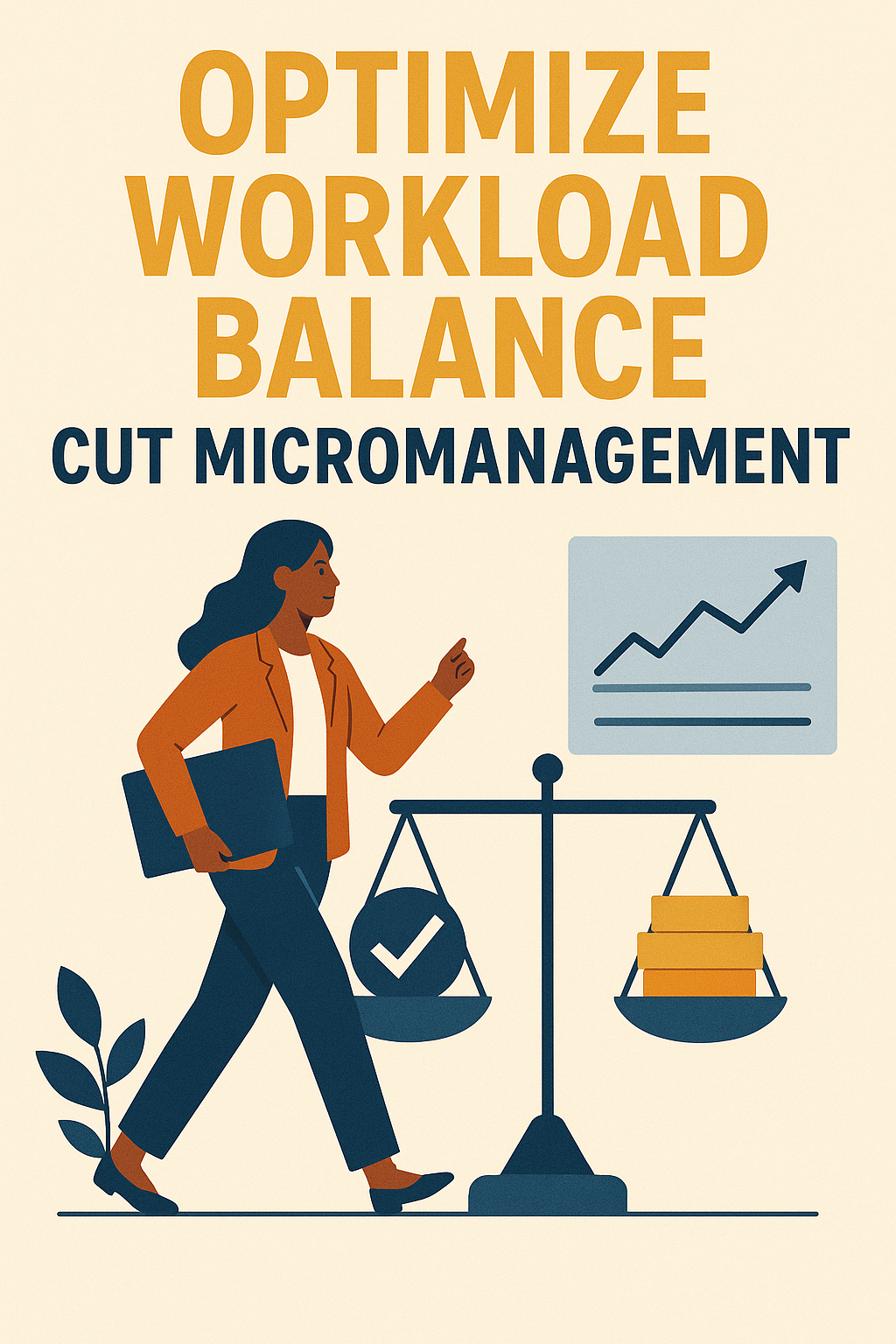
    In today’s fast-evolving work landscape, organisations increasingly recognise the imperative to Optimize Workload Balance to preserve employee energy, sustain performance, and retain talent. Excessive oversight and micromanagement — once considered essential for control — are now seen as signs of outdated management design. Forward-looking firms are shifting toward trust, autonomy, and data-driven workload planning to support well-being, productivity, and sustainable growth.

    Understanding the Need to Optimize Workload Balance

    Workload balance is more than just distributing tasks evenly — it means aligning work with capacity, skills, and sustainable pace. When workload isn’t balanced, employees may suffer burnout, drop in engagement, or even leave the organization. Balancing workload becomes critical not just for day-to-day operations, but as a core pillar of workforce resilience and long-term organizational health.

    Why Micromanagement Hinders Balanced Workload

    Micromanagement — excessive control over how tasks are done — often reflects a breakdown in proper task delegation and workload planning. Rather than ensuring productivity, it causes bottlenecks: decisions pile up with managers and employees lose autonomy. In hybrid or remote-enabled workplaces, micromanagement tends to punish remote contributors over physical-presence bias, creating unequal workload burdens and hindering trust.

    How Modern Tools & Approaches Support Balanced Workload

    Today’s organisations can employ intelligent workload-management methods that go beyond simple task allocation. By tracking team capacity and task load in real time, managers can anticipate overload, redistribute tasks, and prevent burnout before it strikes. This enables workload optimization as a proactive, data-driven process — not a reactive rush when problems become visible. Allocation becomes based on employee strengths and output rather than mere availability or presence time, fostering fairness and efficiency.

    Building a Culture of Trust and Autonomy

    True workload balance requires changing mindsets along with tools. Instead of micromanaging the “how,” leadership should define the “what” — the outcomes — and allow teams the autonomy to decide the “how.” Establishing clarity with responsibility charts or areas-of-responsibility (AoR) frameworks removes ambiguity and reduces the instinct to micromanage. Encouraging upward and peer-to-peer feedback, designing systems that tolerate mistakes (as data for learning), and shifting managers’ roles toward coaching rather than policing, all help build a sustainable culture of trust.

    Potential Risks and What to Watch Out For

    While shifting toward autonomy and balance is rewarding, there are pitfalls — including risk of uneven task distribution if workload isn’t monitored carefully, or false sense of balance when visibility is poor. Too much reliance on autonomy without structure can lead to confusion about responsibility. Also, adopting workload-management tools must respect employee privacy and be transparent, else they may end up eroding trust.

    Best Practices to Achieve Workload Balance

    To successfully optimize workload balance, organisations should:

    Define clear goals and output expectations rather than monitoring inputs or hours

    Map team capabilities and assign tasks aligned to strengths — not just availability

    Monitor capacity and task load periodically to detect overload early

    Promote transparent responsibility frameworks so everyone knows who owns what

    Provide autonomy, encourage feedback loops, and treat mistakes as learning opportunities

    Combine balance efforts with supportive management — shifting from control to coaching

    For More Info: https://hrtechcube.com/optimize-workload-balance-cut-micromanagement/

    Conclusion

    Optimizing workload balance is not a soft HR initiative — it’s a strategic necessity for organisations aiming to thrive in a competitive, fast-moving workplace. By replacing micromanagement with trust, aligning tasks with capacity, and embracing autonomy backed by smart workload planning, businesses can foster healthy work environments, retain talent, and boost output. Ultimately, balance isn’t just about fairness — it’s about unlocking sustainable growth and long-term organizational resilience.

    0 0 Reacties 0 Aandelen
  • Advancing HR Maturity Using Smart HR Transformation Tools

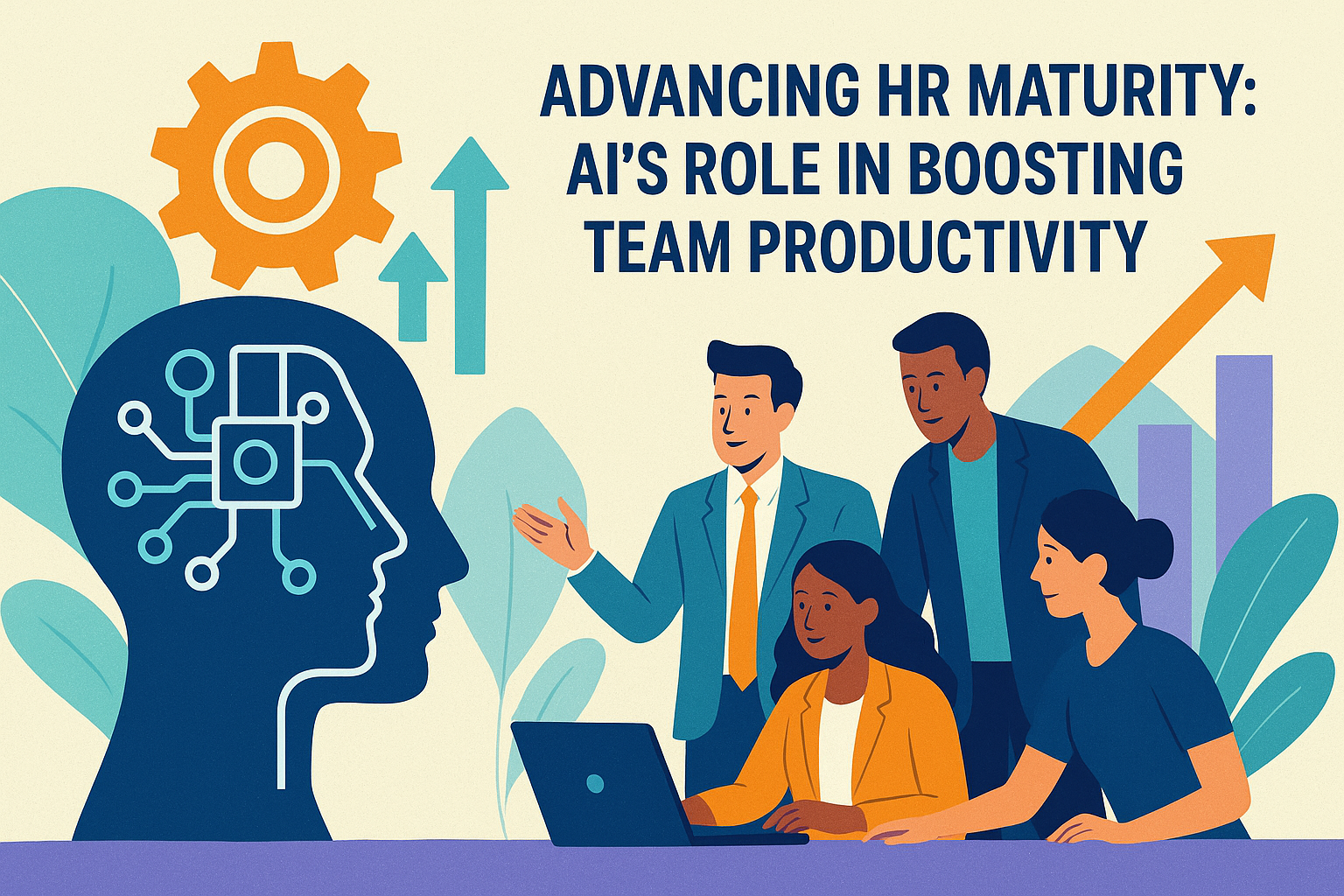
    As organizations evolve toward smarter and more adaptive operating models Advancing HR Maturity has become a defining benchmark of long-term competitiveness. The integration of AI across HR functions is accelerating this shift enabling teams to work more intelligently while strengthening data-driven decision-making and workforce alignment.

    Table of Contents

    Understanding HR Maturity

    Why HR Maturity Matters for Modern Teams

    The Role of AI in Advancing HR Maturity

    Core Foundations for an AI-Enabled HR Function

    Steps to Strengthen HR Maturity with AI

    Ethical Use and Challenges

    Conclusion

    1. Understanding HR Maturity

    HR maturity reflects how strategically an HR function operates. A mature HR team moves beyond task execution toward influencing culture performance and organizational growth. It demonstrates strong alignment with business goals and uses insights rather than intuition to guide its actions.

    2. Why HR Maturity Matters for Modern Teams

    Organizations with higher HR maturity typically experience stronger collaboration higher retention and more consistent productivity. As business environments become dynamic HR’s ability to forecast workforce needs support employee growth and build agility becomes crucial.

    3. The Role of AI in Advancing HR Maturity

    AI empowers HR teams by transforming raw workforce data into actionable intelligence. Through automation of routine tasks and advanced analytics HR can shift attention to human-centric initiatives such as capability building leadership development and strategic planning.
    AI also enhances team productivity by analysing workload patterns flagging skill gaps predicting burnout risks and recommending personalized learning pathways.

    4. Core Foundations for an AI-Enabled HR Function

    A mature HR environment supported by AI typically rests on:

    Clear alignment between technology and organizational goals

    Strong data governance and transparent practices

    Skill development to build AI confidence across HR teams

    Integrated HR systems for seamless information flow

    A culture that views AI as a partner not a replacement

    5. Steps to Strengthen HR Maturity with AI

    Organizations can advance maturity by:

    Starting with small AI interventions in recruitment learning or workforce planning

    Building dashboards that unify people analytics into a single view

    Training HR teams in ethical and practical AI use

    Establishing clear responsibilities across HR operations

    Continuously evaluating AI’s impact on productivity and engagement

    6. Ethical Use and Challenges

    AI adoption must be thoughtful and employee-centric. Unchecked data use can create distrust and assumptions may lead to biased outcomes. Transparency fairness and governance are essential for maintaining a human-first approach. AI should support decisions never make them in isolation.

    For More Info: https://hrtechcube.com/advancing-hr-maturity-ai-intelligence/

    Conclusion

    Advancing HR Maturity through AI represents a shift toward smarter faster and more integrated workforce management. When AI is adopted responsibly it strengthens employee experience removes operational inefficiencies and empowers HR to deliver strategic value. The future of HR thrives where intelligence systems and human insight work together to elevate team productivity and organizational success.
    0 0 Reacties 0 Aandelen
  • Unlocking ROI from Employee Wellness Programs Through Goal Mapping

    Employee wellness programs have shifted from optional benefits to essential business strategies. As organisations invest more in health, mental wellbeing, and holistic support, understanding ROI becomes crucial. A clear view of returns helps leaders justify investments, improve program design, and build healthier, more engaged teams.

    Why ROI Matters in Wellness Programs
    Wellness programs influence productivity, employee satisfaction, and long-term organisational stability. When employees feel physically and mentally supported, they perform better and take fewer sick days. ROI helps organisations track the real impact of these improvements and ensures resources are directed toward initiatives that create meaningful value.

    Key Drivers of ROI in Employee Wellness
    ROI emerges from a blend of reduced absenteeism, healthier workforce habits, improved focus, and lower turnover. Integrated wellness offerings—such as mental health support, fitness initiatives, and stress-management tools—encourage employees to participate consistently, driving stronger and more sustainable outcomes.

    Using Technology to Strengthen Wellness Outcomes
    Digital platforms, mobile wellness apps, and health tracking tools enable organisations to personalise wellness experiences. These tools provide insights into participation, promote healthy routines, and support early detection of fatigue or burnout. Technology-driven data helps companies see how wellness improvements translate into performance gains.

    Common Challenges in Measuring ROI
    Not all wellness benefits are instantly measurable. Many outcomes, such as better morale or emotional resilience, appear gradually. It can also be difficult to separate wellness impacts from other organisational factors. Accurate ROI measurement requires patience, ongoing data collection, and a holistic understanding of workforce behaviour.

    Strategies to Maximise ROI from Wellness Programs
    Organisations can strengthen ROI by setting clear objectives, promoting participation, and tailoring programs to diverse employee needs. Leadership involvement, continuous feedback, and weaving wellness into daily culture significantly enhance outcomes. Programs that offer flexibility and encourage healthy habits naturally drive higher value.

    For More Info: https://hrtechcube.com/roi-employee-wellness-2025/

    Conclusion
    Unlocking ROI from employee wellness programs means viewing wellness as a long-term organisational investment. When companies prioritise health, engagement, and personalised support, they gain improved productivity, reduced turnover, and a stronger workplace culture. A well-designed wellness strategy delivers measurable returns and helps create a healthier, more resilient workforce.
    Unlocking ROI from Employee Wellness Programs
    0 0 Reacties 0 Aandelen
  • Building Supportive Daily Habits for Employee Mental Health

    HR Support Employees Mental Health is becoming a central priority for organizations striving to build healthier, more resilient, and more productive workforces. As workplace pressures rise and employee expectations evolve, both HR teams and managers play a crucial role in shaping an environment where individuals feel safe, supported, and mentally empowered. This collaboration not only strengthens employee morale but also enhances overall organizational performance.

    Table of Contents

    Understanding the Need for Mental Health Support
    Creating Open Communication Channels
    Establishing Flexible Work Practices
    Providing Access to Wellbeing Resources
    Training Managers to Identify Mental Health Needs
    Building a Culture of Continuous Support
    1. Understanding the Need for Mental Health Support

    A supportive workplace begins with awareness. HR professionals and managers must recognize that employees may face challenges that affect their emotional wellbeing, focus, and productivity. By acknowledging mental health as a critical element of organizational success, leaders can create space for more meaningful conversations and interventions.

    2. Creating Open Communication Channels

    Employees are more likely to seek help when they know their voice matters. HR and managers should encourage open discussions, private check-ins, and opportunities for honest expression without fear of judgment. This reduces stigma and strengthens trust within the team.

    3. Establishing Flexible Work Practices

    Flexibility can significantly reduce stress and enhance work-life balance. Through supportive scheduling, remote options, or adaptable workloads, HR departments and managers empower employees to manage personal responsibilities while staying productive and engaged.

    4. Providing Access to Wellbeing Resources

    Organizations can support mental health by offering access to counseling services, wellness programs, self-help tools, or peer support groups. HR teams can introduce these resources, while managers can reinforce their usage by ensuring employees know when and how to access them.

    5. Training Managers to Identify Mental Health Needs

    Managers are often the first to notice changes in employee behavior. Training them to recognize early signs of burnout, stress, or disengagement enables timely support. HR can facilitate workshops that equip leaders with the right language, empathy, and intervention strategies.

    6. Building a Culture of Continuous Support

    A mentally supportive workplace is not a one-time initiative. HR and managers must consistently reinforce healthy behaviors, celebrate work-life balance, and model positive wellbeing habits. This long-term approach builds a culture where employees feel valued and safe.

    For More Info: https://hrtechcube.com/5-ways-managers-and-hrs-can-support-employees-mental-health/

    Conclusion

    Supporting employee mental health is a shared responsibility that requires ongoing collaboration between HR and managers. By fostering open communication, providing helpful resources, enabling flexibility, and building a culture of consistent care, organizations can create an environment where employees feel secure both emotionally and professionally. This holistic approach strengthens engagement, loyalty, and overall workplace wellbeing.
    0 0 Reacties 0 Aandelen
  • Dry Eyes? Visit Dr. Warke’s Renosight Clinic, Wakad
    Experiencing dry, itchy, or burning eyes? Consult Dr. Shruti Warke (Patil), expert Eye Specialist in Wakad, for advanced evaluation and personalized treatment. Get relief from dryness, irritation, and blurred vision with safe and effective care. Book your appointment today!
    https://renosightclinic.com/dr-shruti-warke.php
    #DryEyes #EyeSpecialistInWakad #EyeCare #VisionHealth #RenosightClinic #HealthyEyes #Ophthalmology #DrShrutiWarke
    0 0 Reacties 0 Aandelen
  • Keeping your fireplace safe starts with a proper chimney sweep Portland homeowners can rely on. Over time, soot and creosote can build up inside your chimney, increasing the risk of fire and reducing airflow. Regular cleaning ensures your fireplace burns efficiently and safely all winter long. Metro Chimney provides trusted chimney sweep services throughout Portland, keeping your home comfortable and hazard-free. Schedule your inspection and cleaning before the cold season hits.
    https://metrochimneypdx.com/chimney-sweep-portland/
    #ChimneySweepPortland #MetroChimney #FireplaceSafety #PortlandHomes
    Chimney Sweep Portland
    0 0 Reacties 0 Aandelen
  • Dry Eye Syndrome Market Regional Analysis, Demand Analysis and Competitive Outlook 2025-2032

    📢 New Update from 24lifesciences

    Dry Eye Syndrome (DES), clinically known as keratoconjunctivitis sicca, is a multifactorial ocular surface disorder resulting from insufficient tear production or excessive tear evaporation. The condition can lead to symptoms ranging from mild irritation, burning, and redness to severe corneal damage if left untreated.

    Get free sample of this report at : https://www.24lifesciences.com/download-sample/1601/dry-eye-syndrome-market

    The DES market primarily focuses on pharmaceutical interventions, including:

    Artificial tears (lubricating eye drops, lipid-based formulations, preservative-free solutions)

    Anti-inflammatory drugs such as cyclosporine, lifitegrast, and corticosteroids

    Novel biologic therapies targeting underlying inflammatory pathways

    These therapies aim to restore ocular surface integrity, reduce inflammation, and improve tear film stability.

    Market Size
    The global dry eye syndrome market was valued at USD 5.37 billion in 2024 and is projected to reach USD 7.43 billion by 2032, growing at a CAGR of 4.9% during the forecast period. Market growth is driven by the rising prevalence of DES worldwide, affecting approximately 344 million people, particularly aging populations and frequent digital device users.

    Market Dynamics
    Drivers
    Increasing Global Prevalence: Aging populations and lifestyle changes contribute to higher incidence rates.

    Rising Digital Device Use: Extended screen time leads to reduced blink rates and ocular dryness.

    Innovative Therapies: FDA approvals like Tyrvaya (varenicline solution) provide alternatives beyond traditional artificial tears.

    Healthcare Infrastructure: Advanced diagnostic and treatment facilities in developed regions facilitate early intervention.

    Restraints
    Treatment Adherence Issues: Chronic therapy regimens may reduce patient compliance.

    Complex Disease Pathophysiology: Multifactorial nature complicates treatment strategies.

    Opportunities
    Adjunct Therapies: Development of lubricating devices, nutraceuticals, and combination therapies.

    Emerging Markets: Increasing awareness and access in Asia-Pacific and Latin America offer growth potential.

    Challenges
    High Competitive Pressure: Dominance of major pharma companies accelerates R&D investment requirements.

    Regulatory Approvals: Stringent FDA and EMA processes can delay product launches.

    Regional Analysis
    North America: Dominates with over 55% market share, driven by advanced healthcare infrastructure, patient awareness, and high prescription adoption rates.

    Asia-Pacific: Fastest-growing region due to increasing diagnostic rates, urbanization, and rising healthcare accessibility.

    Europe: Mature market with steady growth fueled by aging populations and strong prescription drug usage.

    Rest of the World: Moderate growth, supported by expanding specialty ophthalmic clinics and hospital networks.

    Market Segmentation by Type
    Anti-inflammatory Drugs
    The largest segment, due to high efficacy in managing chronic DES symptoms. Subtypes include:

    Corticosteroids

    Cyclosporine

    Others

    Artificial Tears
    Widely used as first-line therapy with subtypes:

    Preservative-free formulations

    Lipid-based formulations

    Other lubricating solutions

    Tear Stimulators
    Include pharmacologic agents that enhance natural tear production.

    Others
    Emerging therapies such as combination products and innovative ocular surface treatments.

    Market Segmentation by Distribution Channel
    Hospital Pharmacies
    Hold the largest share due to prescription-based treatment protocols and frequent patient visits to clinical settings.

    Retail Pharmacies
    Provide accessibility for OTC artificial tears and over-the-counter DES products.

    Online Pharmacies
    Enable convenience, especially for chronic therapy adherence and repeat purchases.

    Others
    Include specialty clinics, ophthalmic centers, and wellness stores distributing DES-related products.

    Key Companies
    Major players driving the DES market include:

    AbbVie/Allergan (U.S.)

    Alcon (Switzerland)

    Novartis (Switzerland)

    Santen Pharmaceutical (Japan)

    Johnson & Johnson Vision (U.S.)

    Bausch + Lomb (U.S.)

    Thea Pharmaceuticals (France)

    URSAPHARM (Germany)

    SIMILASAN (Switzerland)

    Sun Pharmaceutical (India)

    United Laboratories (China)

    Rohto Pharmaceutical (Japan)

    These companies are actively investing in R&D, novel drug development, and FDA-approved therapies, while smaller players explore adjunct therapies and nutraceutical solutions to diversify treatment options.

    Geographic Segmentation
    North America: Market leader with high adoption of prescription DES therapies.

    Europe: Steady growth driven by aging demographics and established healthcare systems.

    Asia-Pacific: Rapid expansion due to increasing diagnostic capabilities and urbanization.

    Latin America & Middle East: Emerging opportunities through expanding hospital networks and specialty clinics.

    Emerging Trends
    Novel Drug Delivery Systems: Nasal sprays and sustained-release formulations for improved compliance.

    Biologic Therapies: Targeting inflammatory pathways to treat chronic DES.

    Adjunctive Therapies: Lubricating devices, nutraceuticals, and combination treatments for holistic care.

    Telemedicine & Digital Health: Increasing patient engagement through digital eye care platforms.

    Get free sample of this report at : https://www.24lifesciences.com/download-sample/1601/dry-eye-syndrome-market


    Explore More report :


    https://24lifescience.blogspot.com/2025/10/compounded-bioidentical-hormone-therapy.html

    https://24lifescience.blogspot.com/2025/10/attention-deficit-and-hyperactivity.html

    https://24lifescience.blogspot.com/2025/10/iron-overload-therapeutics-market.html

    https://24lifescience.blogspot.com/2025/10/pain-management-therapie-market.html

    https://24lifescience.blogspot.com/2025/10/endocrine-testing-product-market.html


    About 24lifesciences

    Founded in 2017, 24LifeScience has emerged as a trusted research and analytics partner for organizations operating within the global life sciences and chemical industries. Our core mission is to provide intelligent, future-ready insights that help clients stay ahead in an increasingly complex and innovation-driven market

    International: +1(332) 2424 294 | Asia: +91 9425150513 (Asia)

    Website: http://www.24lifesciences.com

    Follow us on LinkedIn: http://www.linkedin.com/company/lifesciences24


    0 0 Reacties 0 Aandelen
  • Global Higenamine Market to Reach USD 520 Million by 2032, Driven by Rising Sports Nutrition and Pharmaceutical Applications


    The global Higenamine Market is poised for substantial growth, fueled by increasing demand in sports nutrition, dietary supplements, and pharmaceutical formulations. Market Intelo’s latest research indicates that the Higenamine Market was valued at USD 280 million in 2023 and is expected to reach USD 520 million by 2032, registering a CAGR of 6.9% from 2024 to 2032. Higenamine, a naturally occurring alkaloid found in plants such as Nandina domestica and Aconitum species, is widely recognized for its cardiovascular, fat-burning, and bronchodilator properties, making it a sought-after ingredient in health and wellness products.

    Read more -> https://marketintelo.com/report/higenamine-market
    0 0 Reacties 0 Aandelen
  • FEDUS Aqua Viva Electric Kettle, 1.8 Litres hot water kettle Jug, 1500W Stainless Steel Body, Power Indicator, Automatic Cut-off used for boiling Water, making tea and coffee, instant noodles, soup, etc. (Black)
    India
    ▶QUICK BOIL: Make yourself a quick cup of tea, instant lemon tea, green tea, hot water, hot coffee, cocoa, or ramen noodles with less waiting — it's perfect anytime you need hot water fast, and it's faster than a microwave or gas stove. This portable electric kettle rapidly boils 1.8L of water in 3-5 minutes, which is great for hectic mornings and tight work schedules.
    ▶ADVANCED SAFETY SETTINGS: Double-wall design keeps the exterior cool to the touch, preventing accidental burns. Enjoy worry-free operation and enhanced safety while preparing hot beverages. Ideal for households with children, Peace of mind with automatic shutoff and boil-dry protection, the tea kettle Features an automatic shut-off mechanism that activates once the water reaches boiling point, preventing over-boiling and ensuring your safety, boil-dry protection if the kettle runs dry.
    ▶LARGE CAPACITY AND FAST HEATING, SAVING TIME IN YOUR BUSY MORNING: This kettle's 1.8-liter maximum capacity meets the drinking needs of 7 people at once. With 1500 watts of high power, this electric tea kettle can help you quickly boil your water in the busy morning in less than 3 minutes. This process is quicker, quieter, and more hands-free than the traditional gas stove. And removable lid opening for easy cleaning. Cordless design with 360 rotational base for easy pouring and storage
    Type
    New
    Prijs
    €1.578,00 (EUR)
    Status
    In stock
    1 0 Reacties 0 Aandelen

Geen resultaten te tonen

Geen resultaten te tonen

Geen resultaten te tonen

Geen resultaten te tonen